Fujifilm recipe
Cuban Negative Fujifilm Recipe
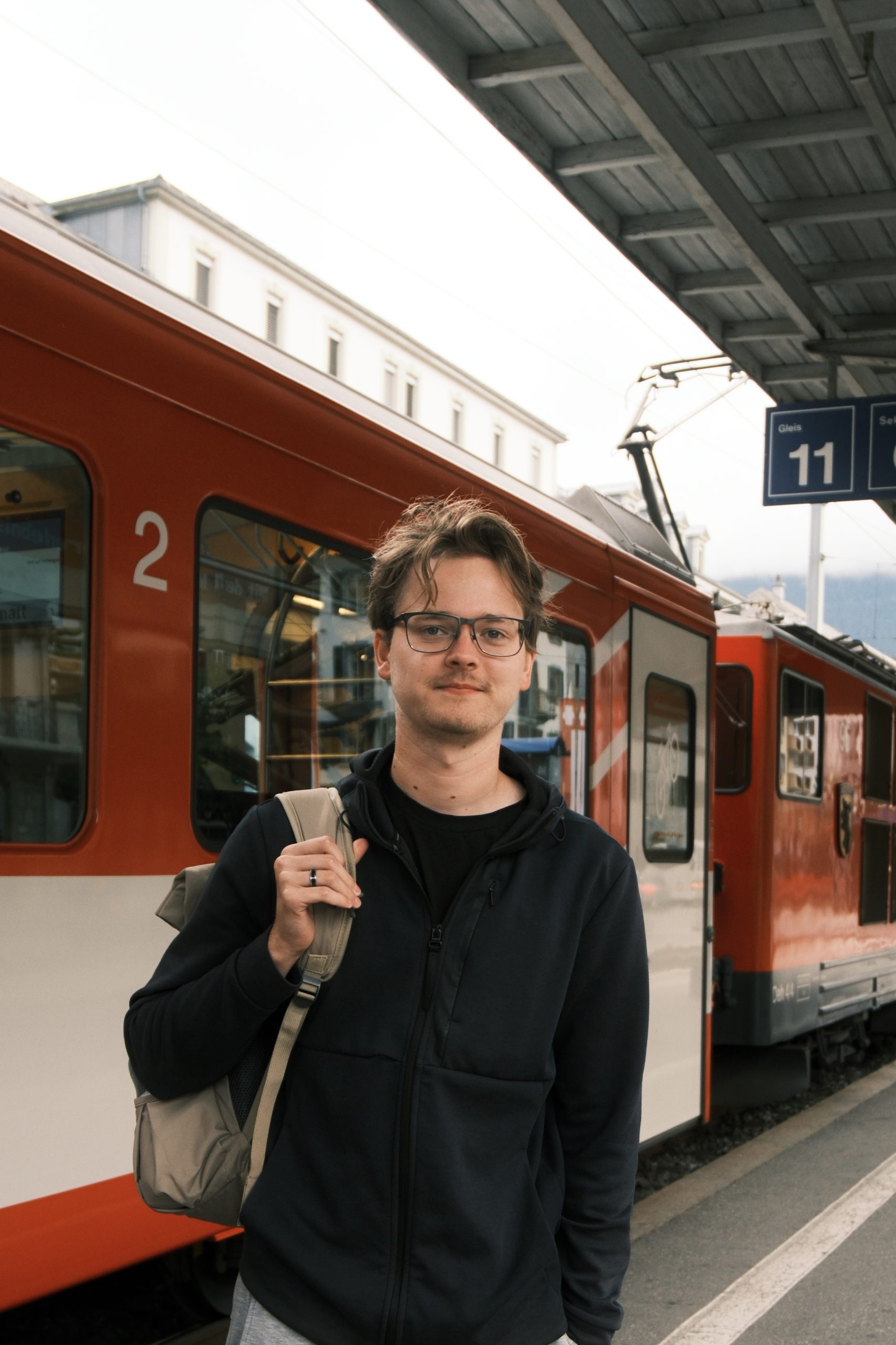
Cuban Negative is a warm and punchy Fujifilm recipe for street photography, travel scenes and everyday documentary-style photos. It has more contrast and edge than Cinematic Gold, but still keeps a warm, film-like feeling. I like using this recipe when a scene feels a bit rougher or more ordinary: train stations, streets, old buildings, signs, […]

Cuban Negative is a warm and punchy Fujifilm recipe for street photography, travel scenes and everyday documentary-style photos. It has more contrast and edge than Cinematic Gold, but still keeps a warm, film-like feeling.
I like using this recipe when a scene feels a bit rougher or more ordinary: train stations, streets, old buildings, signs, cafés, quiet corners and small travel moments that do not need to look too polished.
Compared with Cinematic Gold, Cuban Negative feels less soft and less nostalgic. Compared with Mountain Reality, it feels more urban and more direct. It is not my first choice for clean mountain landscapes, but it works well when I want travel photos to feel more real, textured and lived-in.


What this recipe looks like
Cuban Negative gives photos a warm, contrasty and slightly rough look. It works well when you want a travel photo to feel less perfect and more documentary.
The colours are warm, but not as golden as Cinematic Gold. Shadows can feel deeper, textures stand out more, and ordinary scenes often become more interesting. I like it for places where the light is not perfect but the atmosphere is still there.
This is not the recipe I would use for every landscape or clean scenic view. It is better for streets, stations, old buildings, signs, people, cafés and small travel details.
When Cuban Negative works best
Cuban Negative works best when the scene has some texture, contrast or everyday imperfection. It is a good recipe for travel photography when you do not want everything to look too clean.
I like using it for:
- street photography
- train stations
- old buildings
- signs and details
- cafés and markets
- everyday travel scenes
- warm city light
- documentary-style photos
It is especially useful when a scene feels a little ordinary at first. The recipe adds warmth and character without making the photo feel overly stylised.
When I would not use it
I would not use Cuban Negative for every kind of travel photo. For wide mountain landscapes, lakes or cloudy alpine scenes, I usually prefer Mountain Reality because it feels more balanced and natural.
I also would not use Cuban Negative when I want a soft, nostalgic look. In those situations, Cinematic Gold usually works better.
Cuban Negative is strongest when the scene has texture, contrast and a bit of grit. If the light is very flat or the colours are already difficult, the look can become too heavy.
>> Fujifilm recipes I used for Switzerland travel photography