In this guide
The Lavaux vineyards are one of the easiest places near Lausanne to combine hiking, photography and public transport.
We did a roughly 5-kilometre route starting in St-Saphorin, walking through the vineyards and via Chardonne before descending into Vevey. From there, we stopped by Lake Geneva for a glass of white wine before taking the train back to Lausanne.
It isn’t a difficult hike in a technical sense, but don’t mistake that for completely effortless.
Some sections are genuinely steep.
The reward is a route that takes you directly between the vines, through small villages and past some of the best views we saw around Lake Geneva.
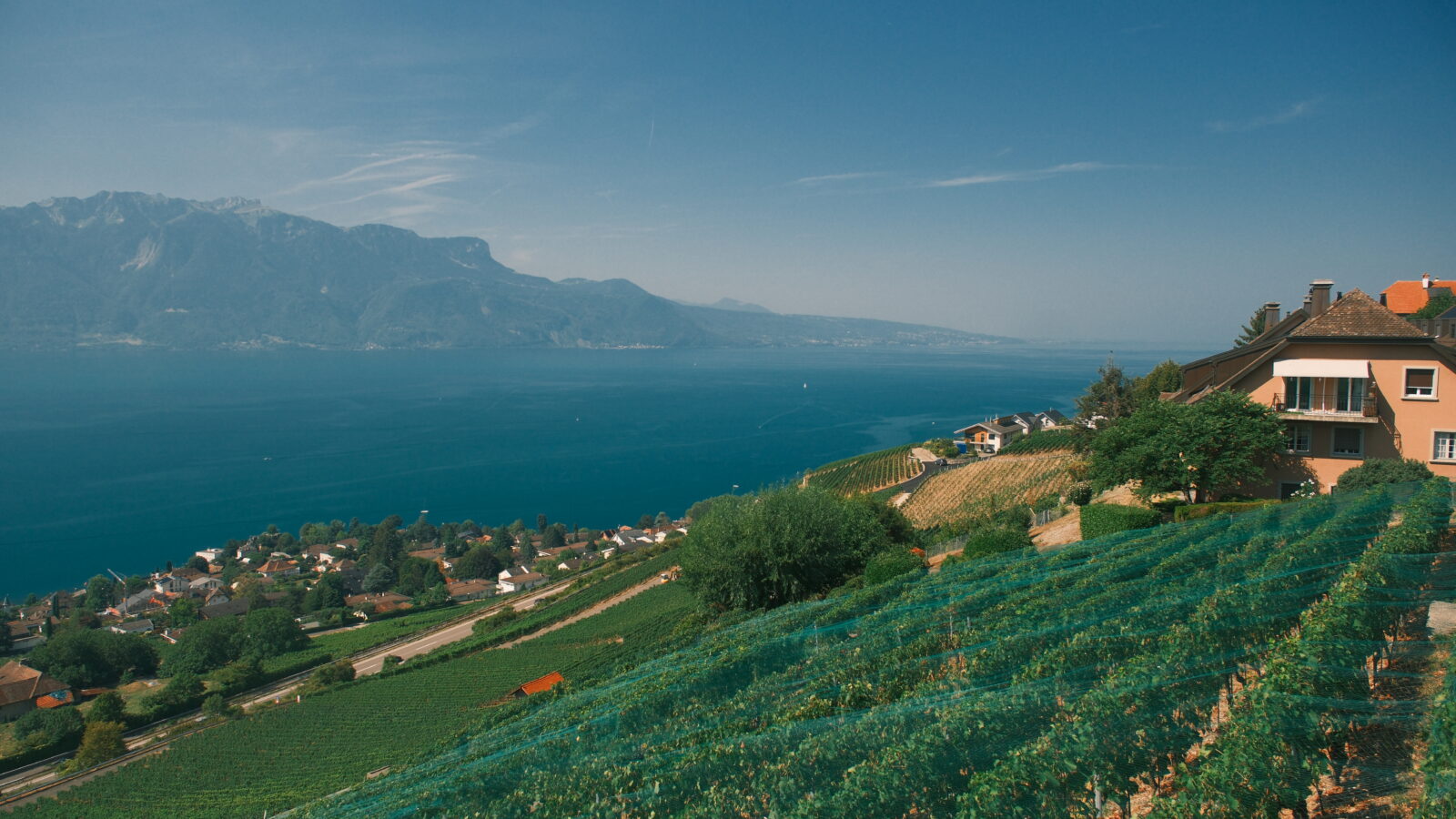
Especially near the beginning, looking across the vineyards towards the water almost feels more like northern Italy than Switzerland.
For a relaxed half-day hike from Lausanne without a car, I think this is an excellent option.
Explore Lausanne: Staying in Lausanne? My guide to the best things to do in Lausanne covers the Old Town, cathedral, Ouchy, Lake Geneva and how I explored the city without a car.
Lavaux hike at a glance
| Detail | Info |
|---|---|
| Route | St-Saphorin → vineyards → Chardonne → Vevey |
| Distance | Approximately 5 km |
| Difficulty | Easy to moderate |
| Technical difficulty | Low |
| Main challenge | Steep climbing and descending |
| Final section | Roughly 2 km mostly downhill |
| Start | St-Saphorin railway station |
| Finish | Vevey railway station |
| Best for | Recreational hikers, photographers and travellers exploring Lake Geneva without a car |
| Shade | Limited outside the villages |
| Water | Bring your own |
| Transport | Train from Lausanne to St-Saphorin, train from Vevey back to Lausanne |
Getting from Lausanne to St-Saphorin
One of the best things about this hike is how simple it is to reach without a car.
We started in Lausanne and took the train directly towards St-Saphorin.
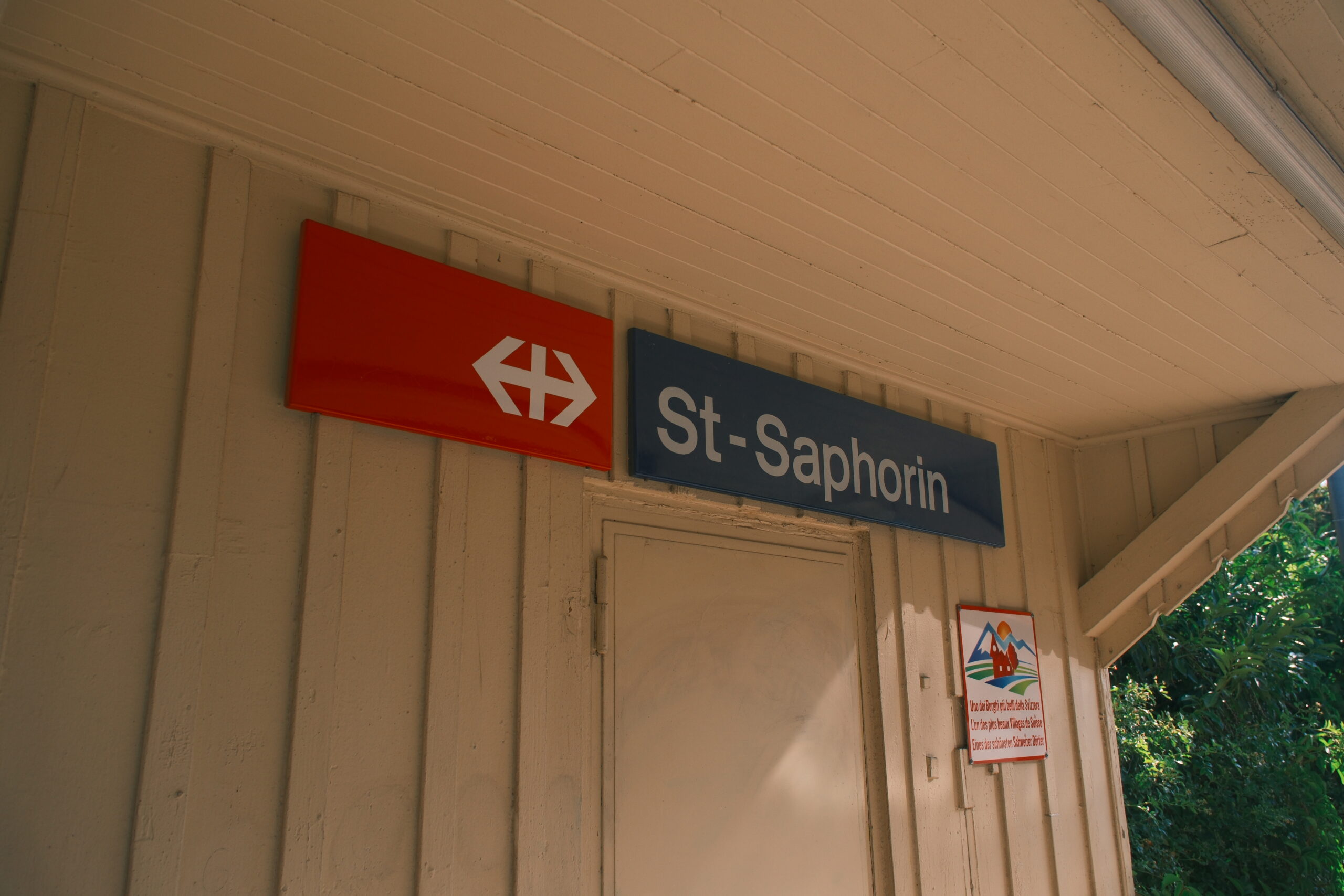
St-Saphorin station makes an excellent starting point because you can almost immediately begin moving into the vineyard landscape rather than spending time walking through a larger town first.
This is exactly the kind of hike that works well in Switzerland: arrive by train, walk from one station to another and take the train home from somewhere completely different.
You don’t have to return along the same route.
Lausanne or Montreux?: Deciding where to stay around Lake Geneva? My Lausanne vs Montreux guide compares both destinations, including atmosphere, sightseeing, transport and which one I prefer as a base.
St-Saphorin to Vevey: the Lavaux vineyard hike route
St-Saphorin immediately gives you a completely different atmosphere from Lausanne.
Once you move away from the railway, the route quickly takes you into the vineyards.
This was probably my favourite part of the entire hike.
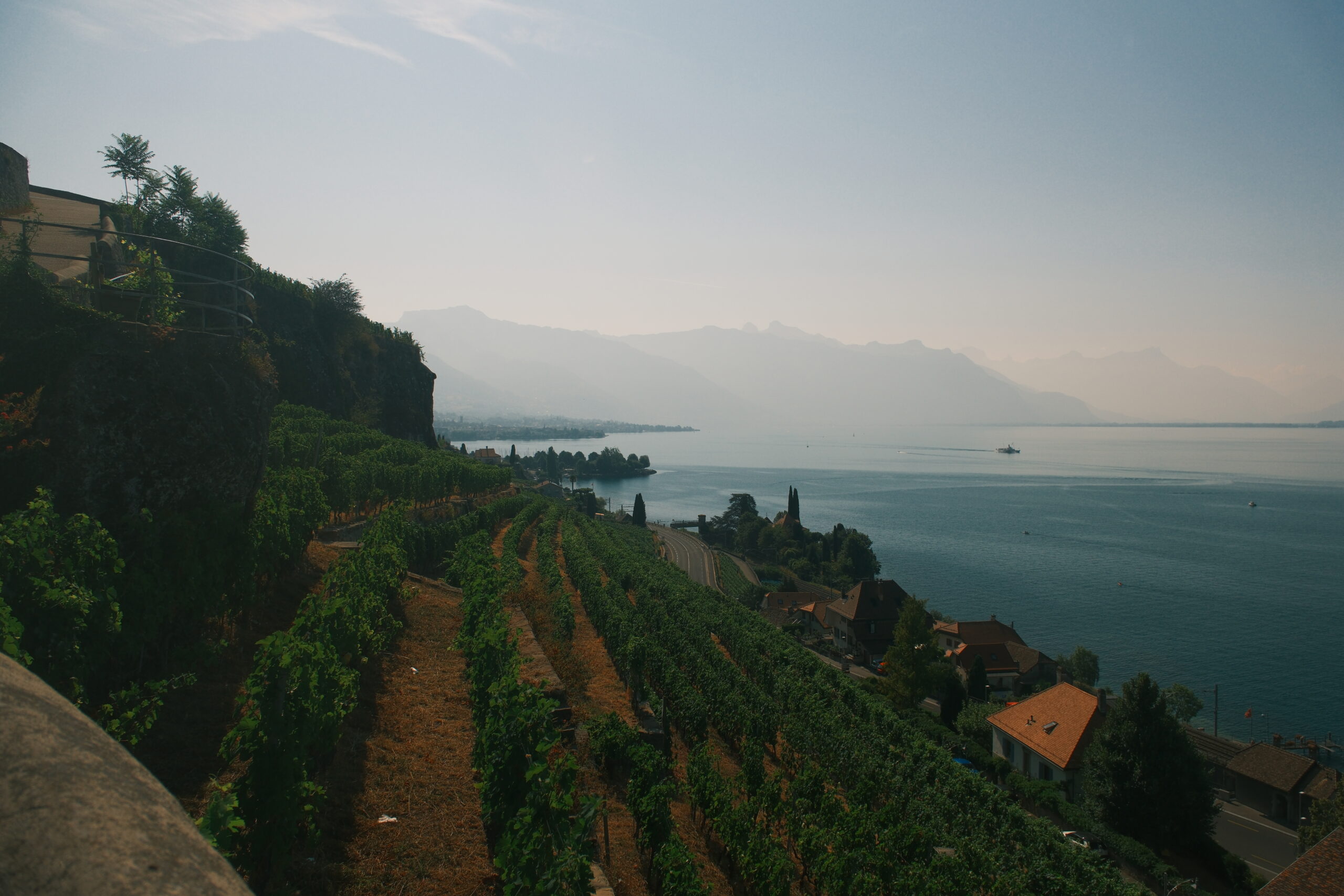
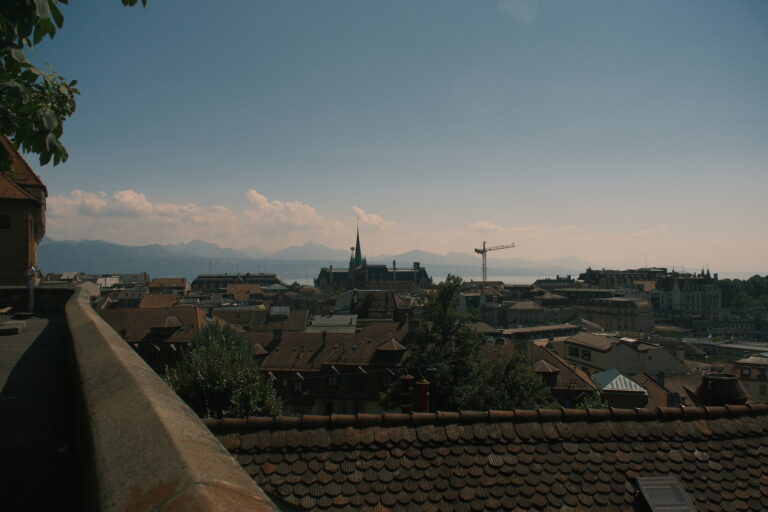
The vines cover the slopes above Lake Geneva, with the water opening up behind them and mountains visible in the distance.
On a sunny summer morning, it feels surprisingly Mediterranean.
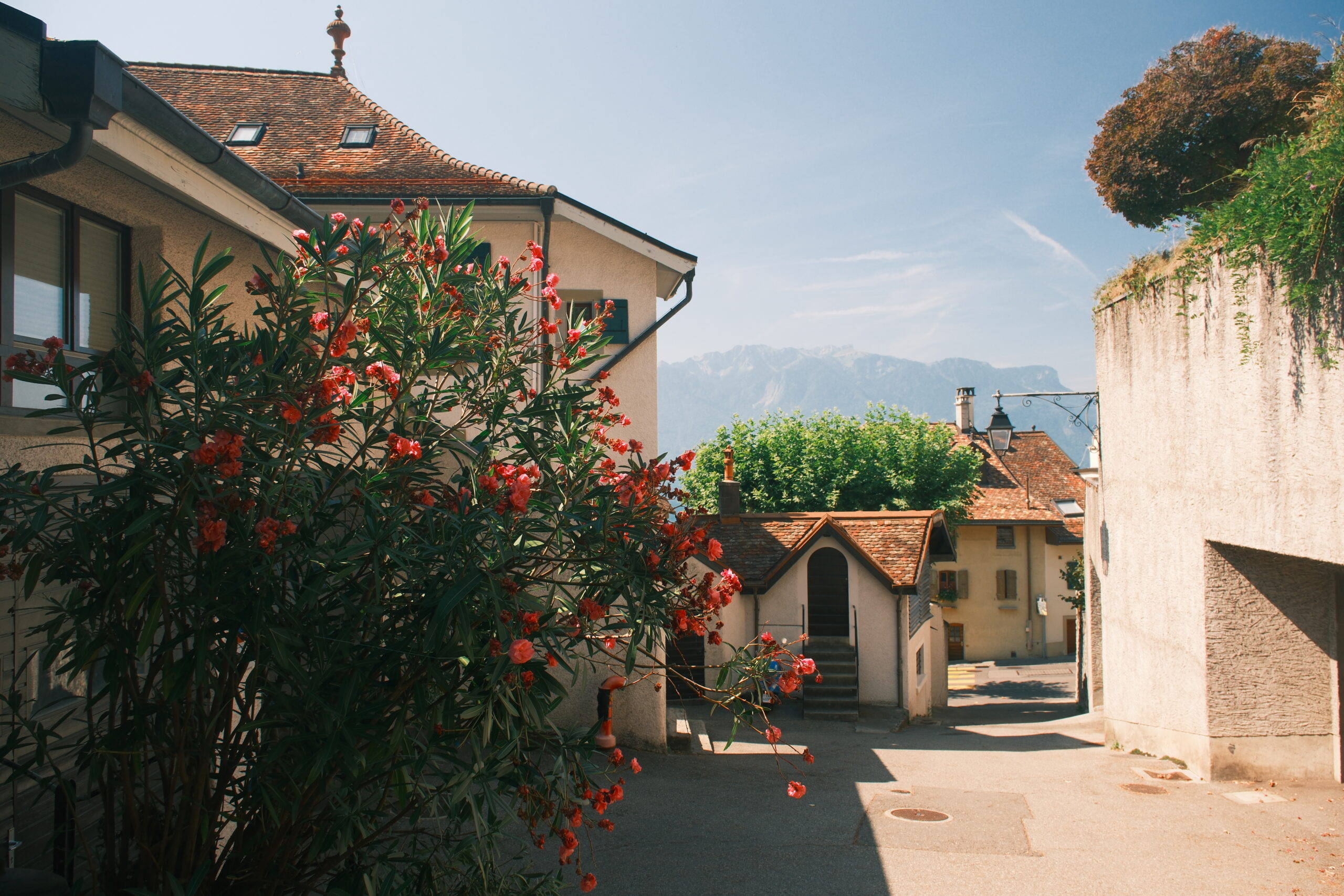
There were moments where the vineyards, stone buildings, flowers and bright lake made the landscape feel more like Italy than what many people imagine when they think of Switzerland.
If you’re carrying a camera, don’t rush this first section.
Some of the best views are here.
Walking through the Lavaux vineyards
The route genuinely takes you between and alongside the vines.
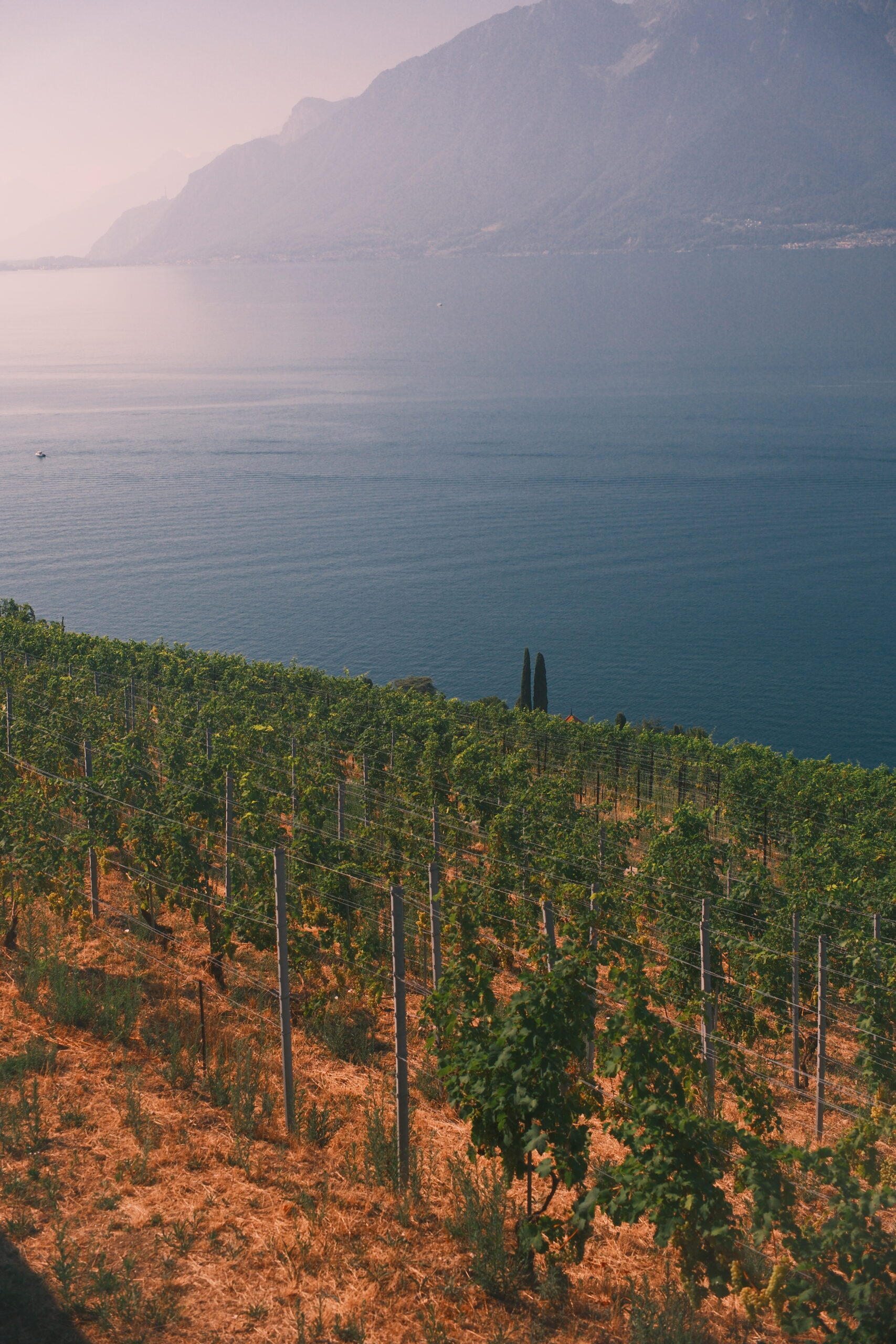
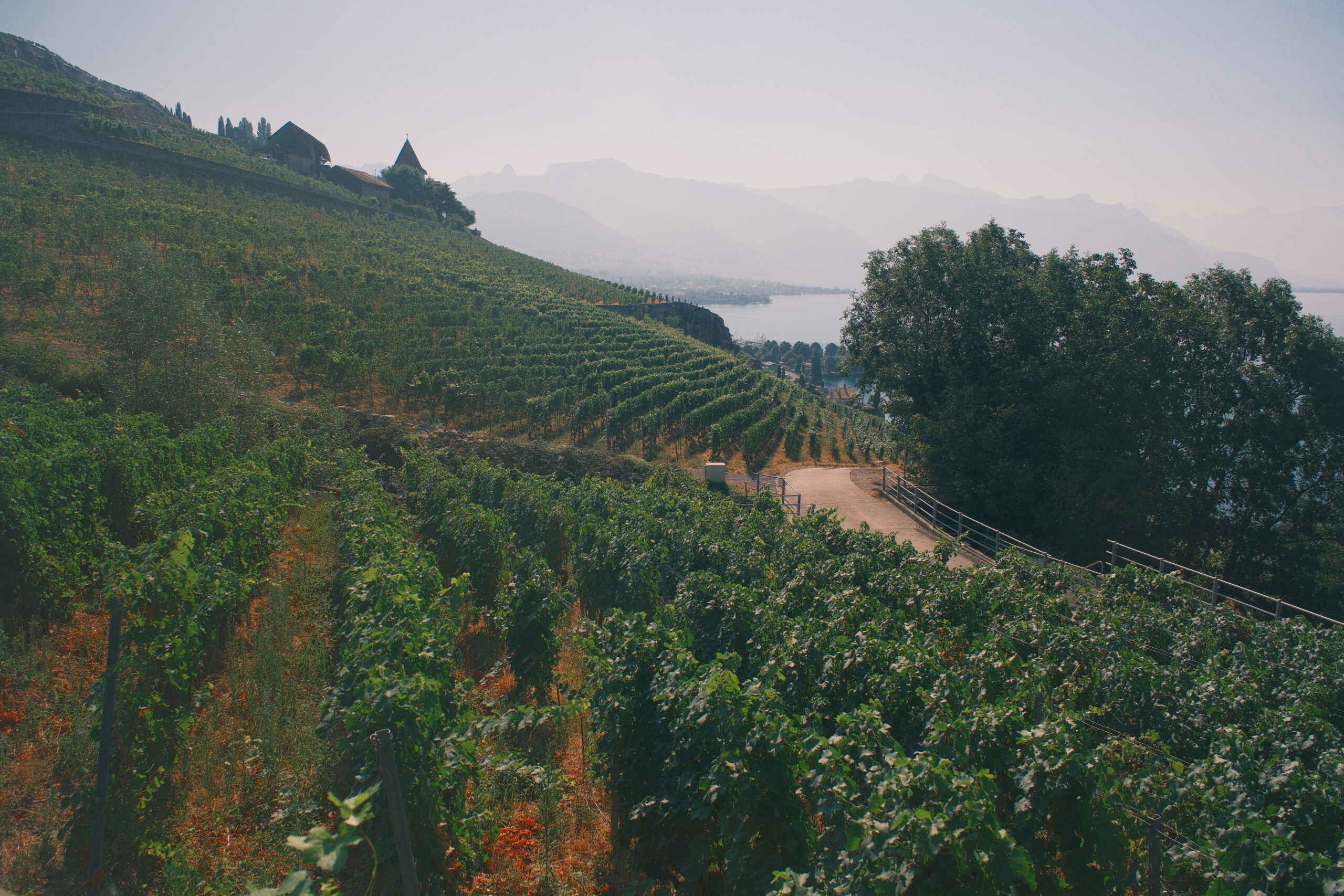
That is what makes the hike much more interesting than simply looking at the vineyards from a train window or viewpoint.
You’re walking through the landscape rather than just observing it.
We had chosen the route before setting out and found it easy to follow once we were there. Signposts along the way made navigation straightforward.
I wouldn’t describe this as an adventurous hike.
There are no technical mountain sections and you don’t need scrambling skills or specialist equipment.
But the terrain can still surprise you.
The steep sections
The biggest thing I would warn people about is the gradient.
Some sections are very steep.
That doesn’t make the hike technically difficult, but it can make it more physically demanding than the approximate 5-kilometre distance suggests.
The route has enough elevation change that you will probably notice your legs, particularly if you’re walking in hot weather.
Later in the hike, the character changes again.
The final roughly 2 kilometres towards Vevey are largely downhill.
That makes the end physically easier in one sense, but long descents can still be tiring, particularly if the ground is hot and you’ve already spent a few hours walking.
Want a bigger hike?: Lavaux is more about scenery and photography than mountain adventure. If you are looking for something more alpine, my guide to the best hikes near Interlaken includes several longer and more demanding routes.
Walking towards Chardonne
Chardonne gives the hike a nice change of scenery.
Rather than spending the entire route exposed among vineyards, the villages along the way give you places where the surroundings become denser and there is more shade.
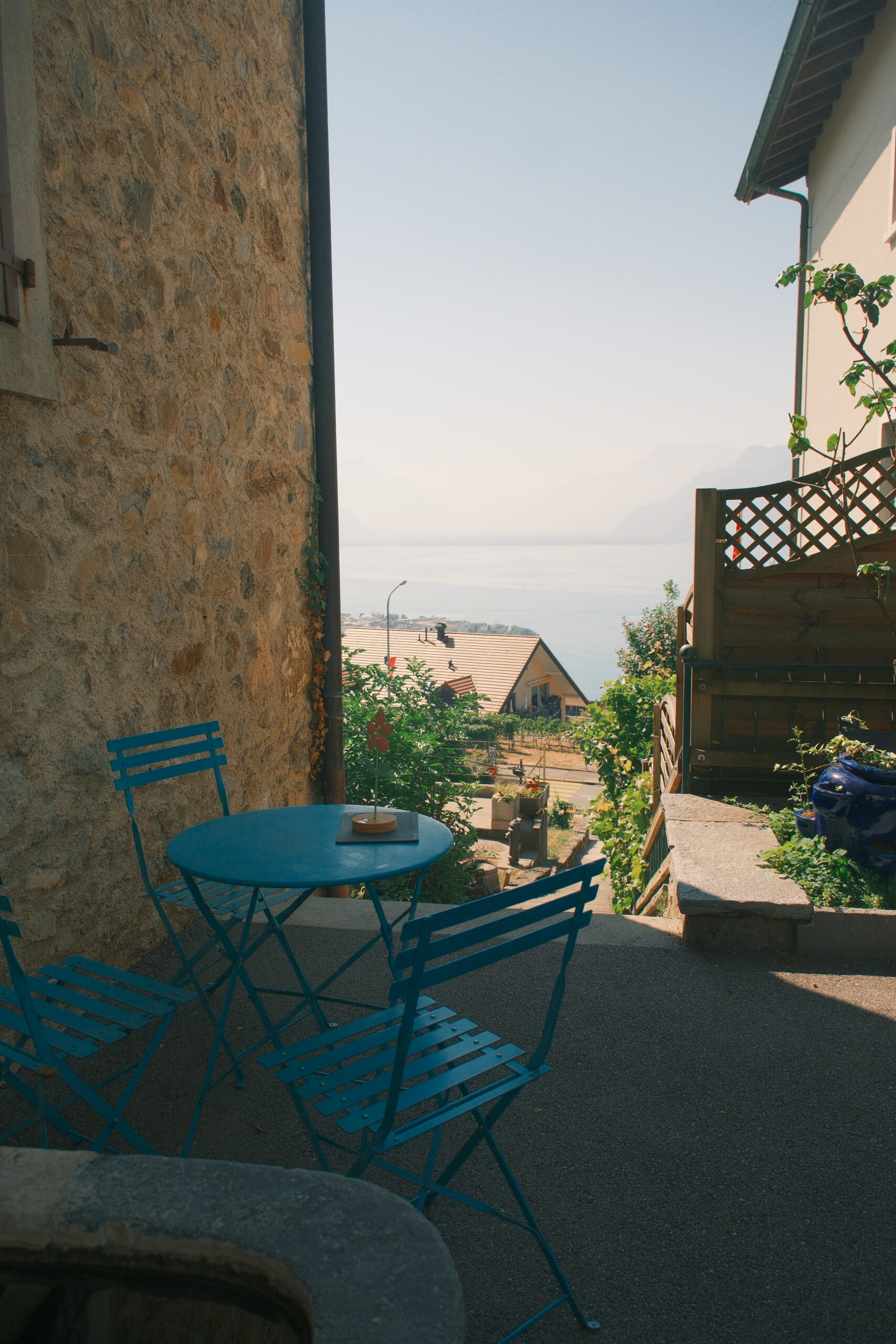
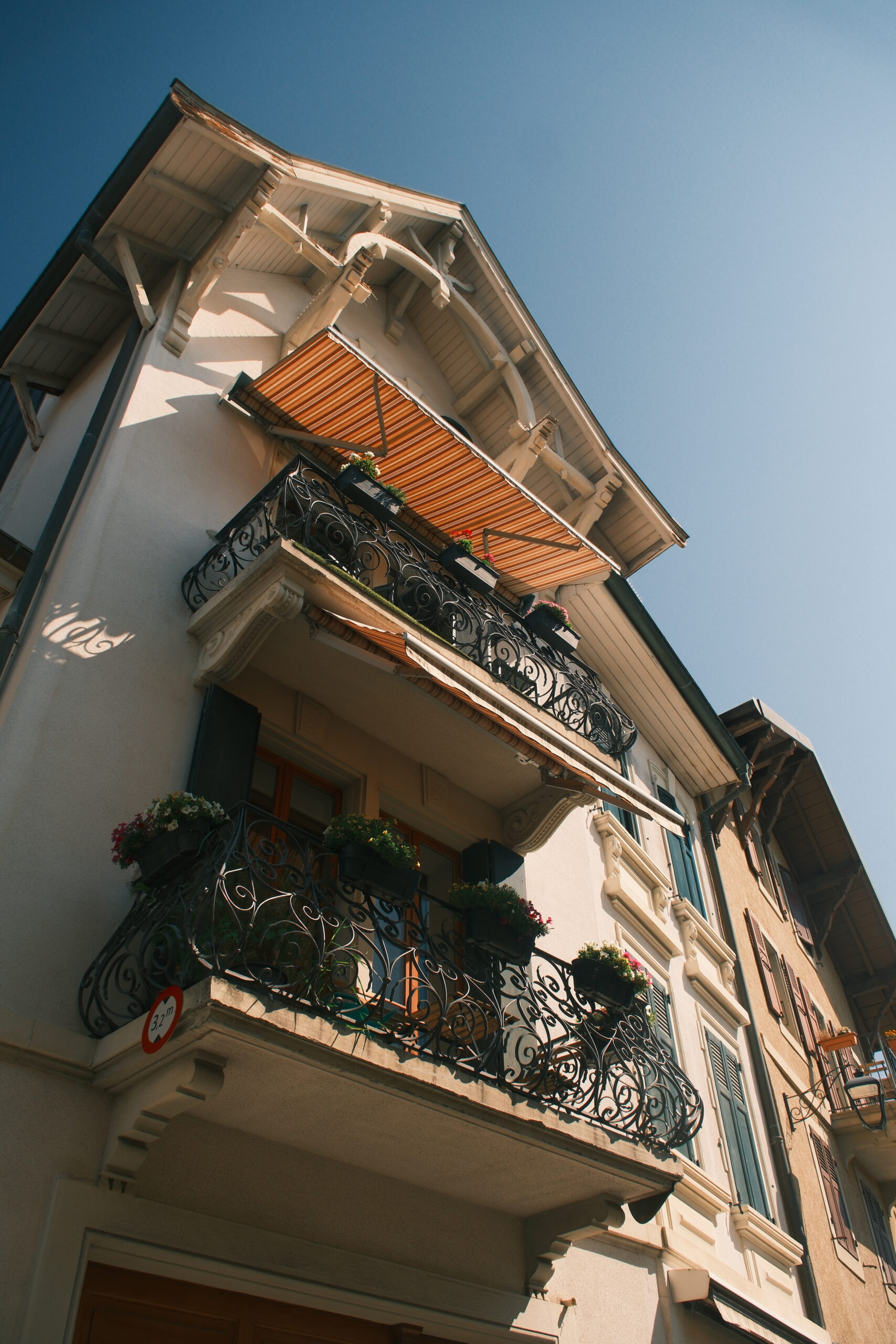
That was particularly welcome when we walked the route in August.
We started at around 10–11 in the morning and it became very warm.
Outside the villages, there isn’t much protection from the sun.
If you are doing this hike in summer, I would take that seriously.
How much shade is there?
Not much.
Most of the open vineyard sections are exposed.
The villages provide some relief, but I wouldn’t plan on having regular shade throughout the hike.
That means I would bring:
- plenty of water;
- sunscreen;
- sunglasses;
- a hat or cap on very hot days.
Starting earlier than we did would also be a good idea during a heatwave.
The views are beautiful in strong sunshine, but walking through open vineyards with little shade can become tiring surprisingly quickly.
Do you need hiking shoes?
Not necessarily.
Because the route isn’t technically difficult, both decent trainers and walking shoes can work.
I would personally choose footwear with reasonable grip because of the steep sections, particularly on the descents.
You don’t need heavy mountain boots for a normal dry-weather day.
The important thing is having shoes that are comfortable for several kilometres of climbing and descending.
Is the route difficult?
I would call it an easy-to-moderate recreational hike.
The route itself isn’t technically challenging.
The things that make it harder are:
- steep gradients;
- summer heat;
- limited shade;
- the descent towards Vevey.
If you regularly walk or hike, you probably won’t have any major problems.
If you’re expecting a completely flat stroll through vineyards, however, Lavaux may surprise you.
How busy is the Lavaux Vineyard hike?
For us, it was extremely quiet.
During the hike we probably encountered only four or five other people.
That was one of the things I enjoyed about it.
Despite Lavaux being one of the best-known landscapes around Lake Geneva, the walking route itself didn’t feel crowded.
That also makes it particularly good for photography because you’re not constantly waiting for people to move out of the frame.
Lavaux for photography
Photography is one of the main reasons I would recommend this route.
It isn’t the most exciting hike I’ve done in Switzerland from a hiking perspective, but visually it is very strong.
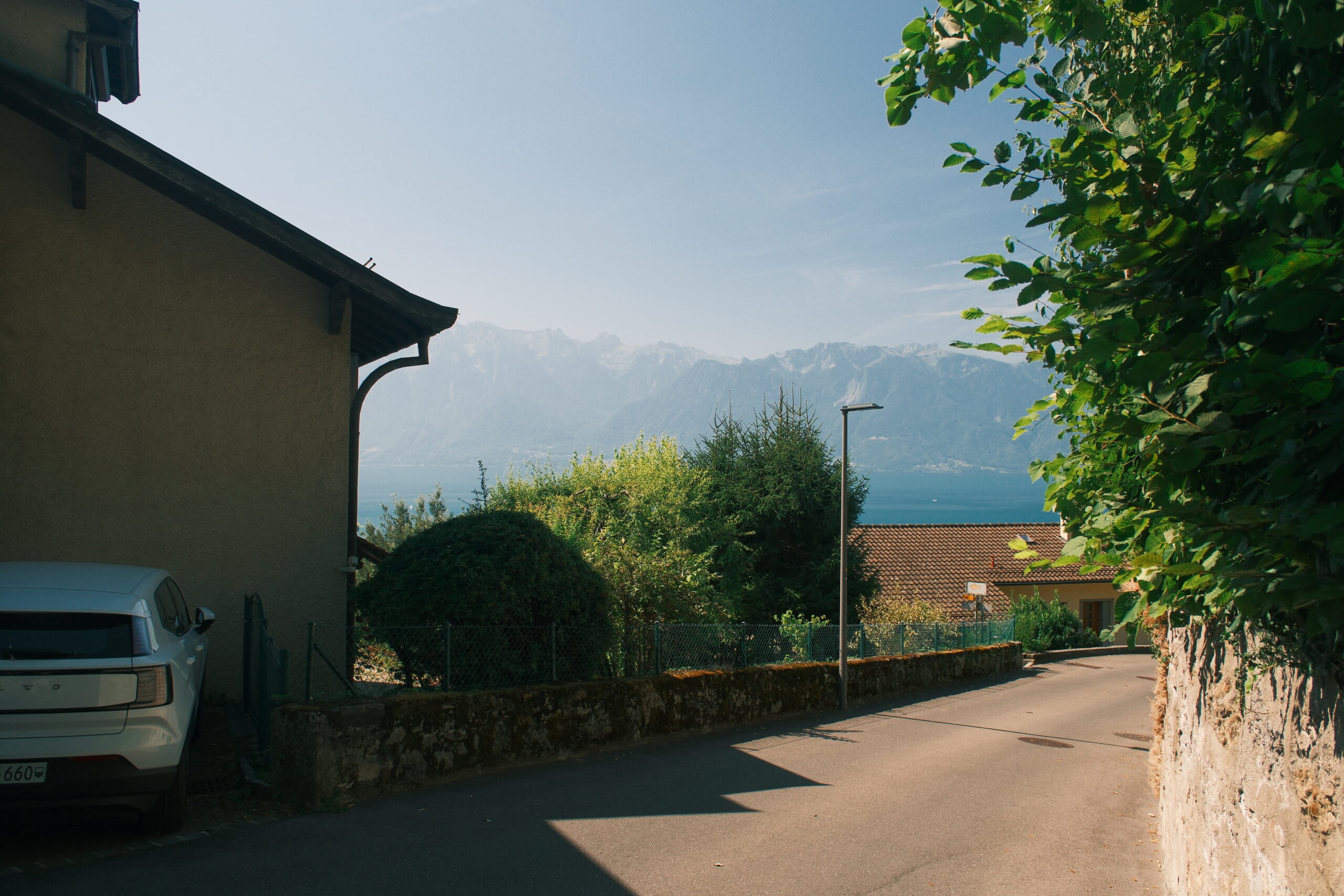
You have:
- rows of vines;
- Lake Geneva;
- mountains beyond the water;
- small villages;
- flowers;
- old stone buildings;
- railway details;
- changing elevation.
The first part of the hike gave me some of my favourite compositions because you can frame the vineyards with Lake Geneva directly behind them.
Later, the villages give you more intimate scenes and details.
For landscape photography, I would bring something wide enough to capture both the vines and the lake.
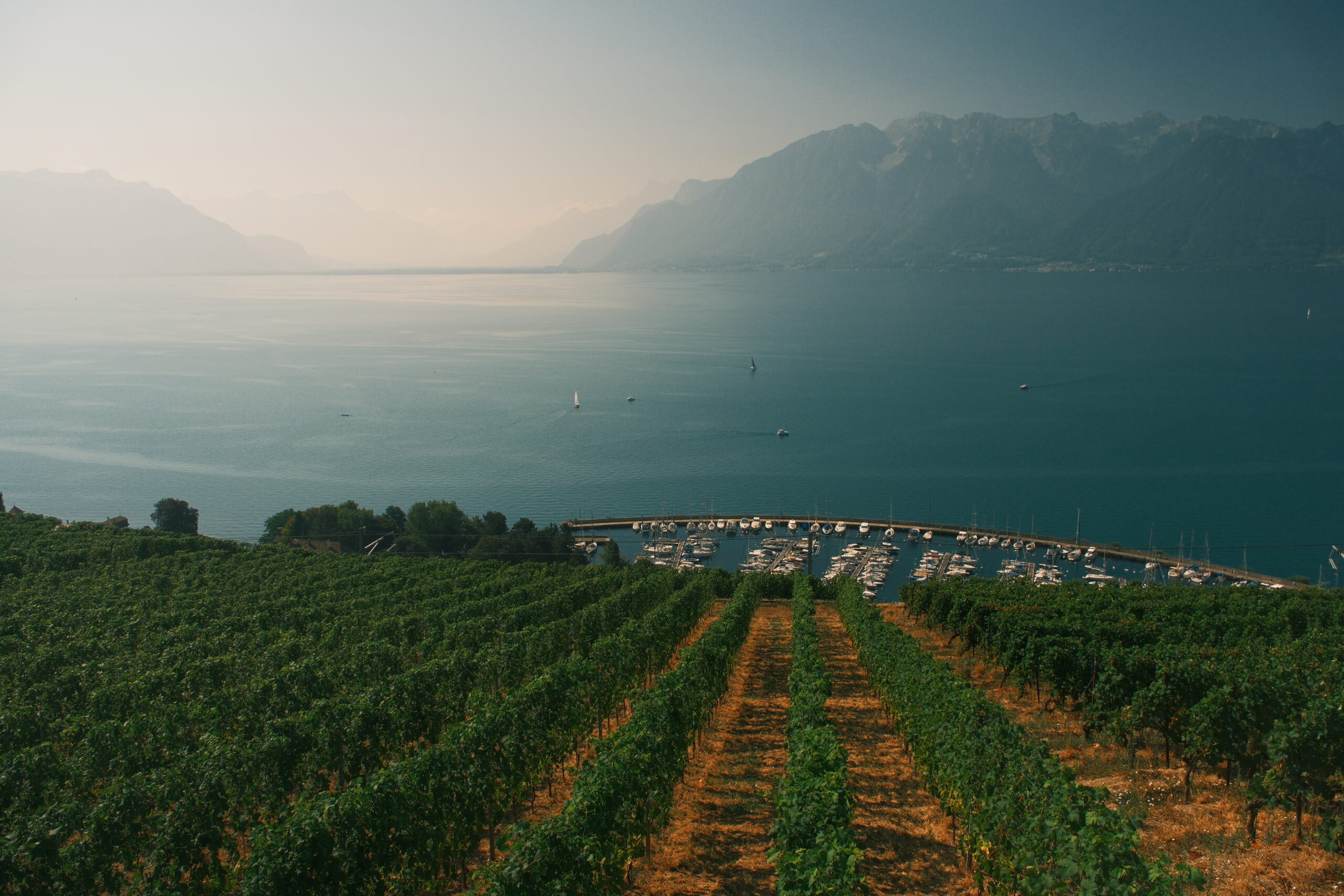
But there are plenty of opportunities for tighter images as well.
Another photogenic hike: If photography is a big part of why you hike, my Oeschinensee Panorama Trail offers a completely different landscape with alpine cliffs and one of Switzerland’s most famous mountain lakes.
Bring your own water
We didn’t rely on buying food or drinks during the route.
I would recommend bringing everything you need from Lausanne or buying supplies before starting the hike.
Water is the important one.
Because so much of the route is exposed, I would rather carry slightly too much than discover halfway through that I hadn’t packed enough.
You can obviously find more facilities once you reach Vevey.
Descending towards Vevey
The final part of the route brings you gradually down towards Vevey and Lake Geneva.
After walking through vineyards and smaller settlements, reaching the lakefront gives the hike a satisfying ending.
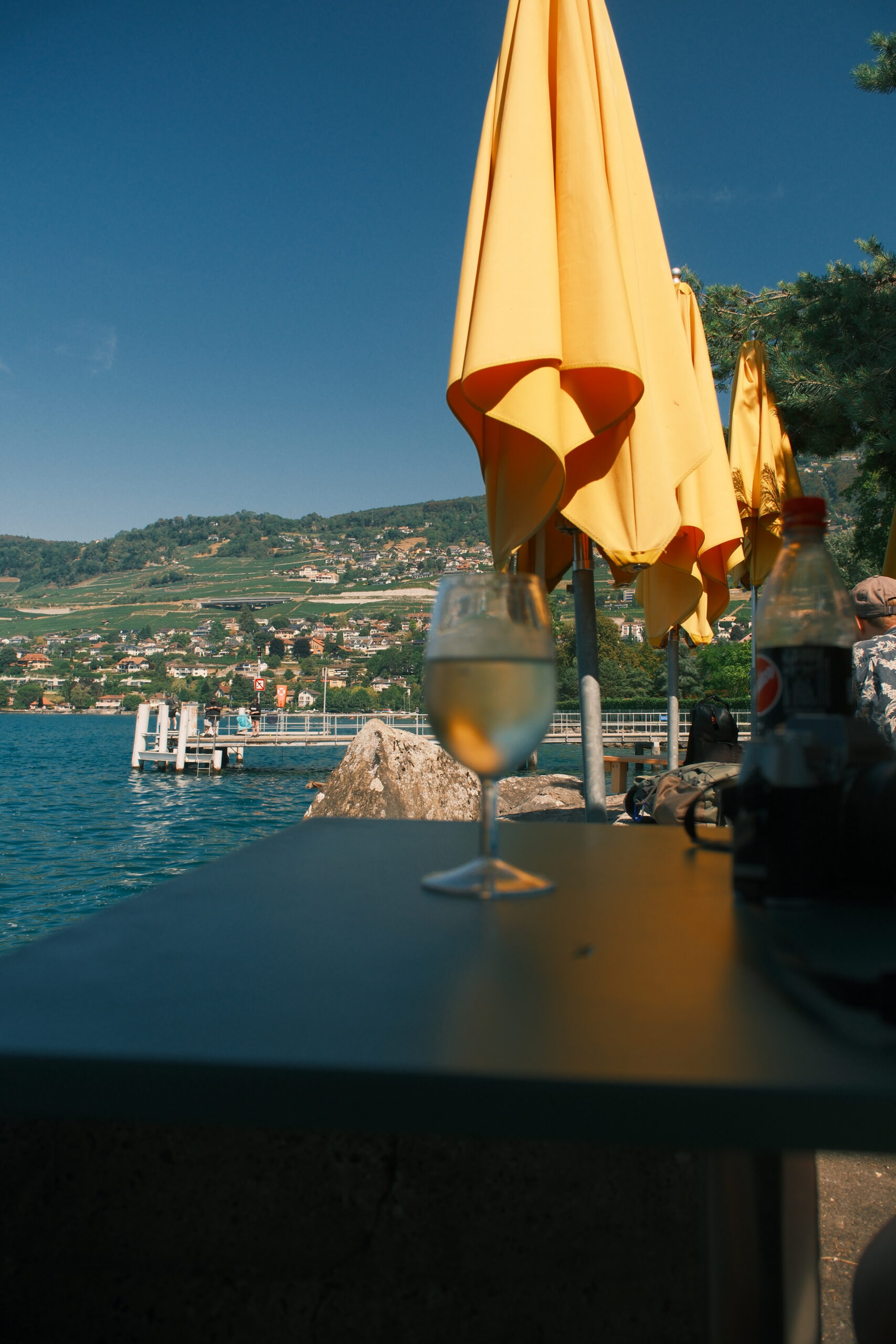
For us, that meant finding somewhere by the water and having a glass of white wine.
It felt like the right way to finish a vineyard hike.
Vevey also makes the logistics easy because you don’t have to turn around and climb back towards St-Saphorin.
Once you’re finished, simply walk to Vevey station and take the train back towards Lausanne.
Why Vevey works so well as the finish
I prefer point-to-point hikes when public transport makes them possible.
They make the day feel like an actual journey rather than walking somewhere simply to turn around and retrace your steps.
Lavaux is perfect for that.
You start somewhere small and quiet in St-Saphorin, spend the hike moving through vineyards and villages, and finish in a proper town beside Lake Geneva.
Then the train takes care of the rest.
This is exactly why exploring Switzerland without a car works so well.
How long should you allow?
For approximately 5 kilometres, you could complete the route fairly quickly if you were simply walking.
But I wouldn’t.
This is a hike where stopping is part of the experience.
If you enjoy photography, you will probably spend a lot of time looking backwards across the vineyards, stopping at viewpoints and photographing villages along the way.
I would treat it as a relaxed half-day activity rather than trying to achieve the fastest possible time.
Can you combine Lavaux with Lausanne?
Very easily.
Because the hike starts and finishes on the railway line east of Lausanne, you don’t need to dedicate an entire travel day to the logistics.
You could spend the morning hiking and return to Lausanne later in the day.
Or explore Lausanne on a separate day and use Lavaux as an easy half-day escape from the city.
Can you combine Lavaux with Montreux?
Also yes.
Geographically, Lavaux sits perfectly between Lausanne and the Montreux side of Lake Geneva.
That means you can build a much broader car-free itinerary around the region.
For example:
Lausanne → Lavaux → Vevey → Montreux
or keep each destination separate and use Lausanne as your base.
I personally prefer the second approach if you have several days because it avoids making every day feel rushed.
Château de Chillon is another easy trip
If you’re spending several days around Lake Geneva, Lavaux fits very naturally alongside Château de Chillon.
The experiences are completely different.
Lavaux is about walking through vineyards and taking in the landscape.
Chillon gives you the castle, Montreux waterfront and another beautiful section of Lake Geneva.
Both work extremely well without a car.
Visit Château de Chillon: Planning another day around Lake Geneva? My Château de Chillon from Lausanne without a car guide covers the train journey, Veytaux-Chillon station and the different walking options around the castle.
How does Lavaux compare with my other hikes?
Lavaux isn’t comparable to an alpine hike such as Oeschinensee, Bachalpsee or the Eiger Trail.
Those are mountain experiences.
Lavaux is much more relaxed and culturally interesting.
You’re walking through a landscape shaped by vineyards and villages rather than aiming for a mountain summit or alpine lake.
If you’re looking for something more dramatic, my Eiger Trail to Grindelwald guide is a much more alpine experience. For an accessible mountain-lake hike, consider Bachalpsee from Grindelwald First, while the Oeschinensee Panorama Trail offers much more dramatic lake scenery. The Mürren to Lauterbrunnen hike is another accessible point-to-point route that works particularly well with public transport.
Lavaux is probably the least adventurous of these.
But it may be one of the easiest to combine with a city trip.
Who is this hike best for?
I think the St-Saphorin to Vevey route works particularly well for:
- recreational hikers;
- photographers;
- couples;
- travellers based in Lausanne;
- people exploring Switzerland by train;
- visitors who want scenery without a technical mountain hike.
I would be less enthusiastic if your only goal is an exciting hiking challenge.
The walking itself isn’t particularly adventurous.
The attraction is the scenery.
Would I do the Lavaux Vineyard hike again?
Yes.
Not because it was one of the most exciting hikes I’ve ever done, but because it’s such an enjoyable combination of walking, photography and Lake Geneva scenery.
The views near St-Saphorin were the highlight for me.
Standing between vineyards and looking out over the lake creates a landscape that feels almost Mediterranean.
And because the route isn’t technically difficult, you can spend more time looking around and taking photographs rather than concentrating on every step.
For a recreational hike from Lausanne without a car, it works extremely well.
The one thing I would change next time is the timing.
On a very warm August day, I would probably start earlier.
The vineyards are beautiful in the sunshine, but there is very little shade.
Bring enough water, take your time and don’t underestimate the steep sections.
Then finish in Vevey, sit beside Lake Geneva and order something cold.
That is a pretty good day in Switzerland.
Frequently asked questions