In this guide
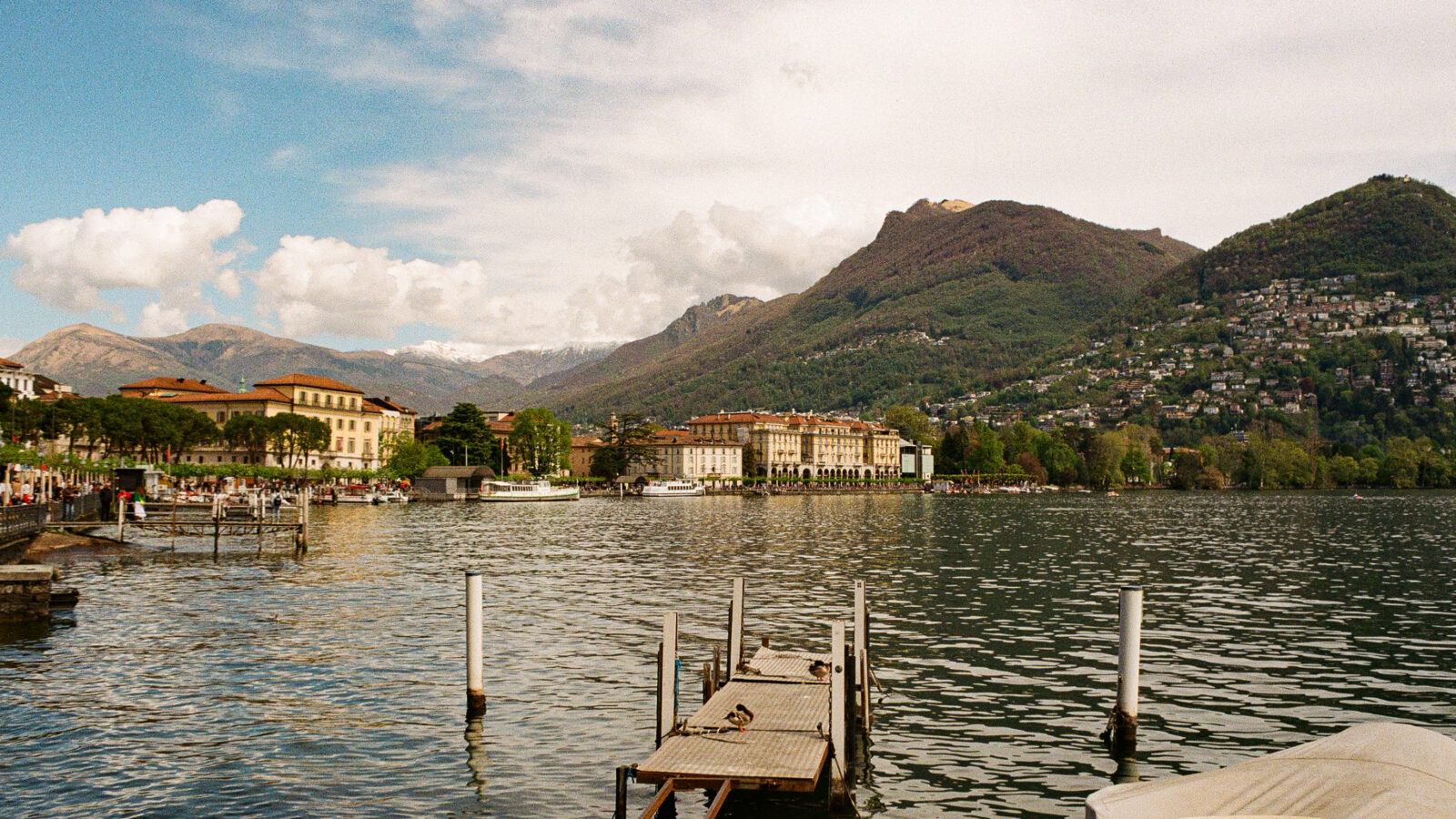
Lugano in Switzerland is where Alpine landscapes meet Mediterranean vibes.
You’ve got palm trees, pastel facades, Italian food, and mountain views all come together on the shores of Lake Lugano, in the Italian-speaking canton of Ticino.
If you’re searching for where Lugano is in Switzerland, what to do in Lugano, or where to stay in Lugano, this guide covers everything you need, with a focus on practical tips and photo-friendly spots.
Where Is Lugano in Switzerland?
Lugano is a city in southern Switzerland, in the canton of Ticino, right next to the Italian border. It sits on the northern shore of Lake Lugano, between Lake Como and Lake Maggiore, south of the main Alpine ridge.
What to Do in Lugano, Switzerland – Top 7 Best Things To Do
If you want to know what to do in Lugano, Switzerland, here are the essential highlights.
1. Stroll the Lakefront Promenade
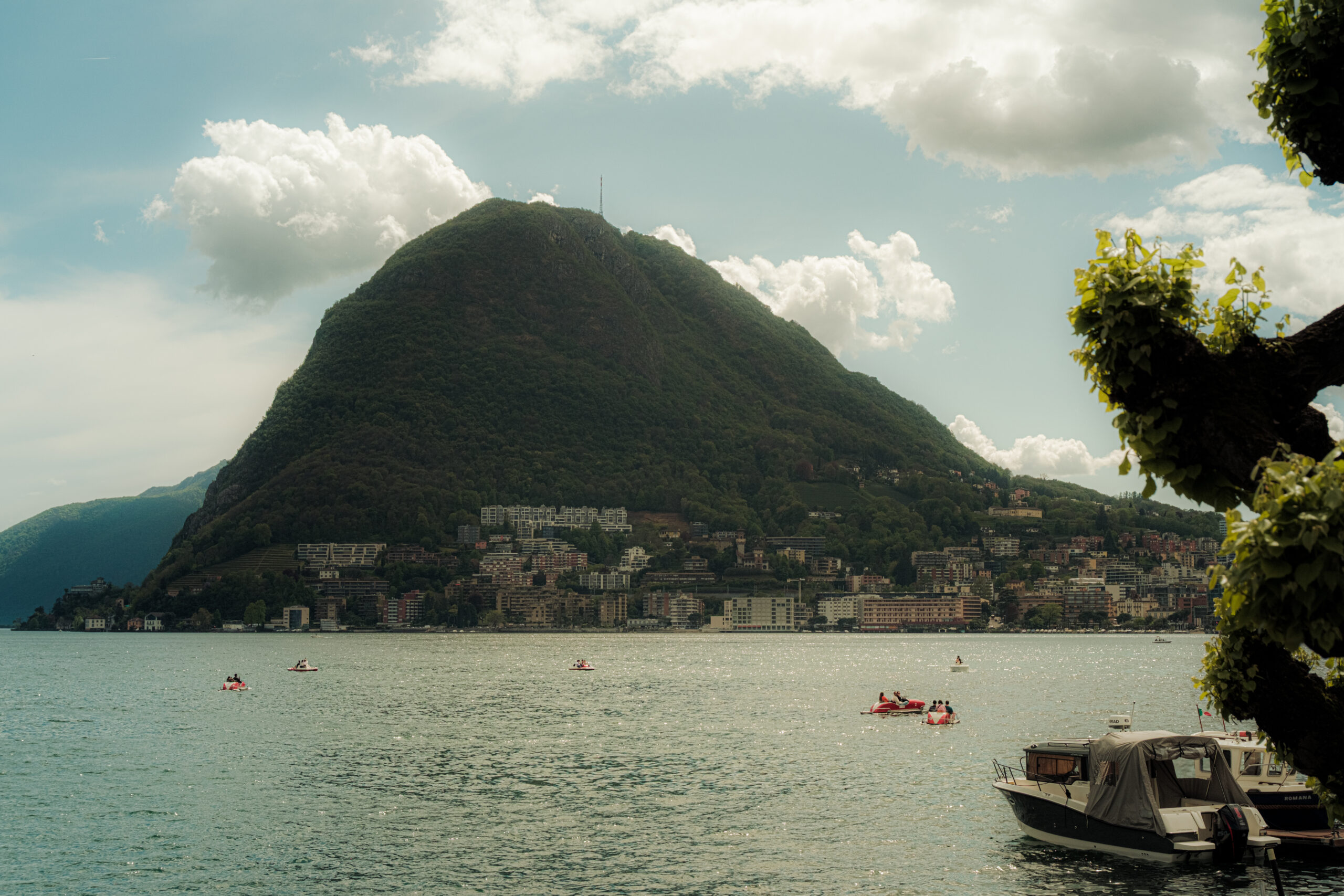
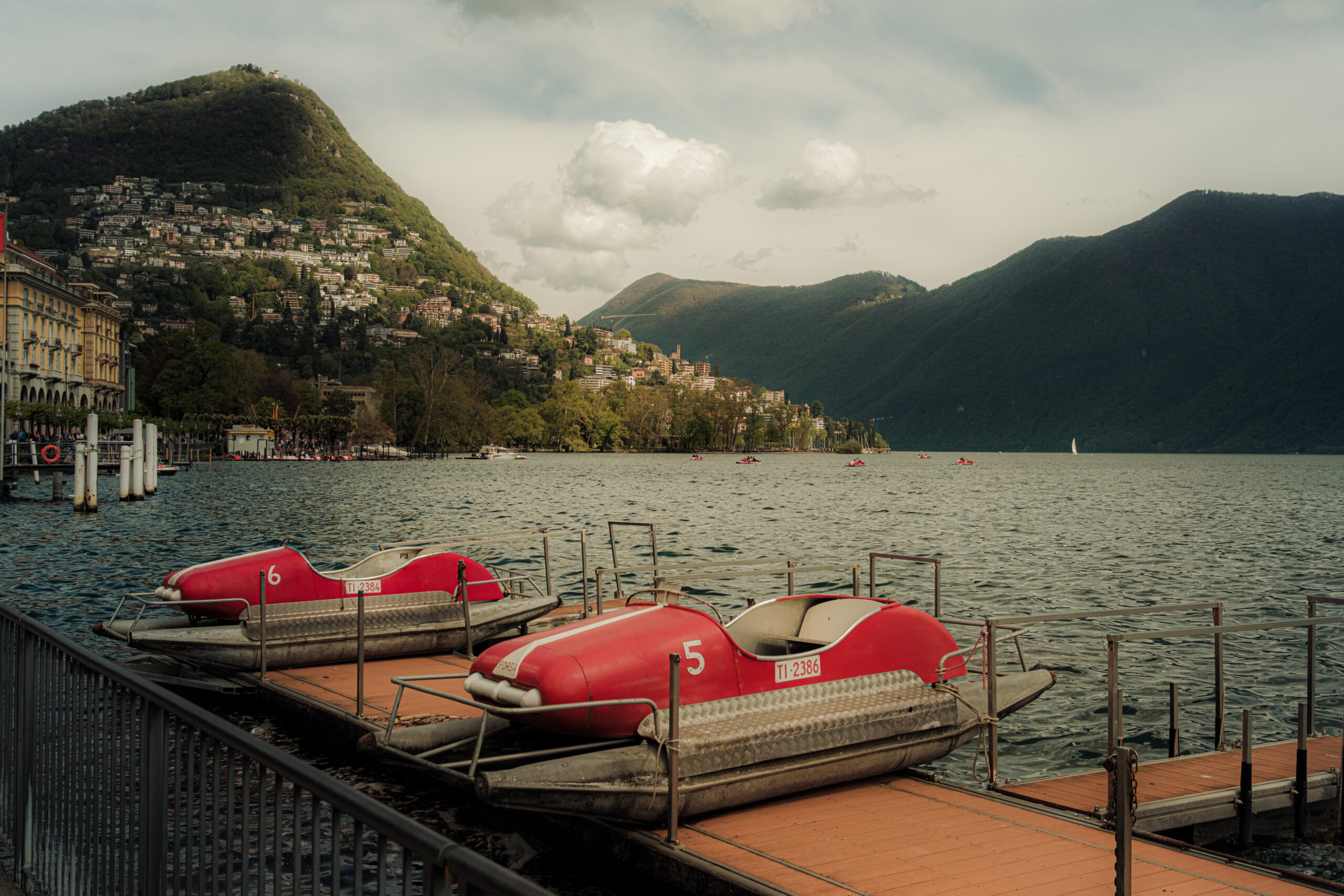
Start with the simplest and most beautiful activity: walk along Lake Lugano. Benches line the promenade, framed by palm trees and views of Monte Brè and Monte San Salvatore.
It’s perfect at sunrise, sunset, or during blue hour for photography.
2. Relax in Parco Ciani
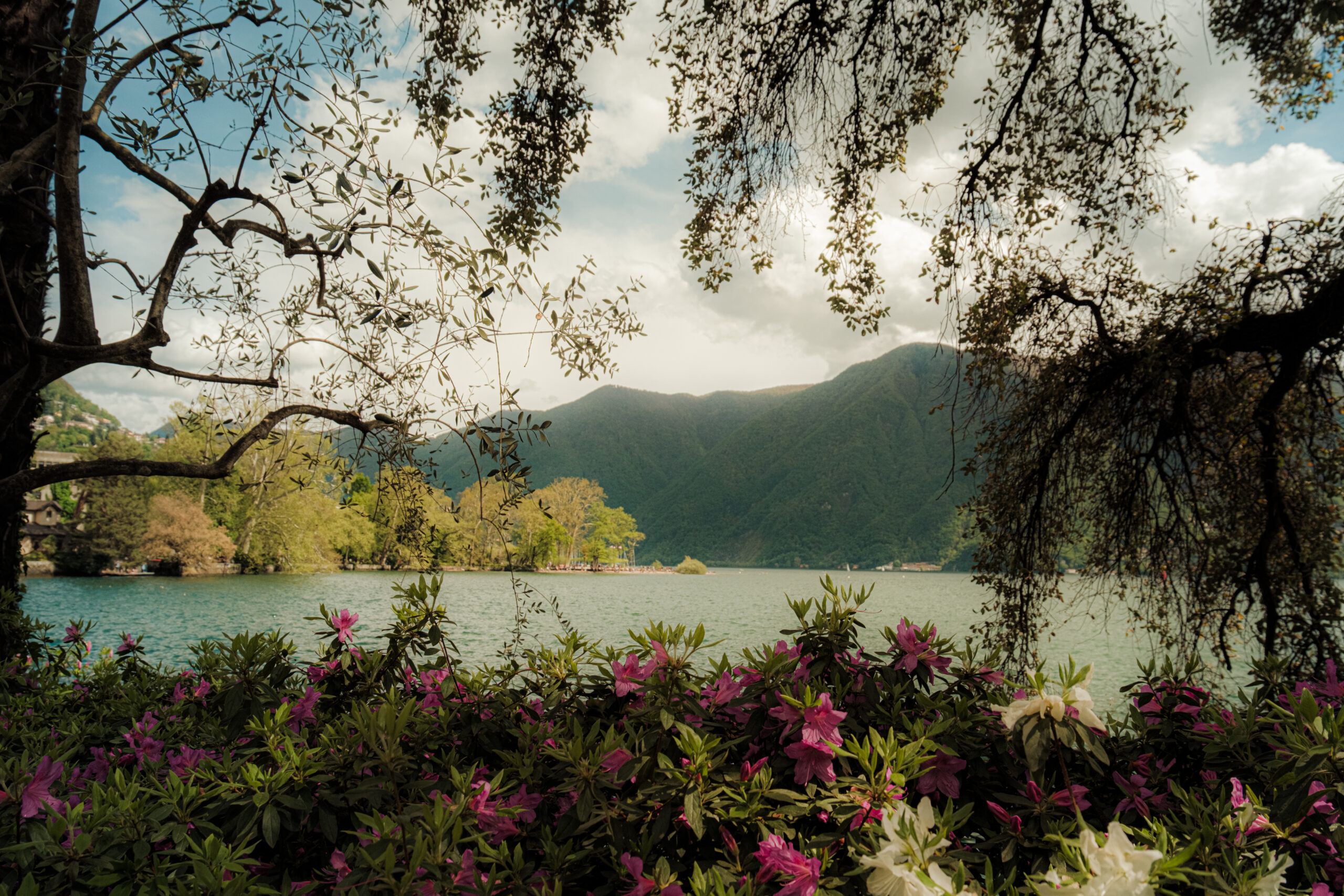
Parco Ciani is Lugano’s lakeside park and one of the city’s iconic sights. Expect manicured gardens, old villas, statues and a classic arched gate right by the water — one of the most photographed spots in Lugano.
It’s great for:
- Slow walks
- Picnics by the lake
- Golden-hour landscape and portrait photography
3. Take the Funicular to Monte Brè
If you want a panoramic view over Lugano, head up Monte Brè, often called one of the sunniest mountains in Switzerland. The historic funicular (opened in 1908) climbs above the city to viewpoints, hiking trails, and the small village of Brè.
At the top you’ll find:
- Trails with views over the lake and the city
- A charming village atmosphere in Brè
- Restaurants serving regional Ticino cuisine
4. Ride the Funicular up Monte San Salvatore
On the opposite side of the bay, Monte San Salvatore offers another unforgettable view.
The funicular from Paradiso takes around 10–12 minutes, with departures every 30 minutes from morning to evening; in summer, it runs later into the night.
5. Explore Gandria and the Olive Tree Trail
The lakeside village of Gandria feels frozen in time: stone houses, narrow alleys, and steep stairways leading down to the water.
You can reach it:
- By boat from Lugano
- Or on foot via the Olive Tree Trail, a scenic lakeside path
It’s one of the most scenic half-day trips from Lugano.
6. Discover Lugano’s Art & Culture
Lugano is not just about lake views; it has a growing cultural scene too.
Highlights include:
- LAC Lugano Arte e Cultura: a modern cultural center with concerts, theatre and exhibitions
- MASI Lugano: art museum, partly housed inside LAC
- Historic cafes like Grand Café Al Porto
- Nearby vineyards and wine estates in the hills, producing Ticino Merlot and white Merlot
7. Take a Boat Trip on Lake Lugano
Boat services connect Lugano with nearby villages, so you can easily plan a small lake-hopping itinerary:
- Morcote: often cited as one of the most beautiful villages in Switzerland
- Melide: home to Swissminiatur, a park of miniature Swiss landmarks
- Campione d’Italia: an Italian enclave on the lake with a unique tax status
This is an easy way to see more of Lake Lugano without a car.
Where to Stay in Lugano, Switzerland
When people search where to stay in Lugano, Switzerland, they usually want a balance between lake views, convenience, and price. Here’s how the main areas compare.
Best Areas to Stay
1. Lugano Centro (Old Town & Lakeside)
Best if you want to walk everywhere. You’ll be close to shops, restaurants, the lake, and Parco Ciani.
2. Paradiso (Near Monte San Salvatore)
A good choice for lake-view hotels, quick access to the Monte San Salvatore funicular, and evening walks along the southern lakefront.
3. Castagnola & Brè Side
Quieter, residential, and scenic — with walking access to Parco Ciani and good bus connections into the center.
4. Surrounding Villages (Morcote, Gandria, Collina d’Oro)
Perfect if you prefer a peaceful base with more nature. Some upscale hotels and boutique stays here combine countryside calm with easy lake access.
You can mix these options: stay in Lugano Centro for a few nights, then move to a lakeside village like Morcote or Gandria for a slower pace.
Culture, Food & the Atmosphere of Ticino
Even though Lugano is compact, it has a surprisingly rich cultural life.
The LAC (Lugano Arte e Cultura) complex — part modern theatre, part museum — has become the city’s artistic anchor, hosting concerts, exhibitions, and performances throughout the year.
Inside, the MASI (Museo d’Arte della Svizzera Italiana) displays works from Ticino and beyond, adding a contemporary dimension to the city’s historical charm.
The food, unsurprisingly, leans strongly toward Italy.
You’ll find risotto cooked with local wine, handmade pasta, thin-crust pizza, grilled fish from the lake, and gelato stands on summer evenings. Traditional grottos, rustic stone restaurants tucked into the hills, serve polenta, braised meats, and Ticino wines.
Eating in Lugano doesn’t feel like typical Swiss dining; it feels warmer, simpler, and more deeply connected to the land.
How to Get to Lugano
Lugano is well-connected, making it an easy addition to any Switzerland or northern Italy itinerary.
- By train (recommended):
- From Zurich: roughly 1h45 via the Gotthard Base Tunnel (fast and scenic).
- From Milan: around 1h on direct cross-border trains.
- By car:
- Lugano sits just off the A2/E35 motorway, with clear signs for Lugano Nord and Lugano Sud. Monte San Salvatore’s funicular station is about 500 m from the Lugano-Sud exit.
- By plane:
- Most visitors fly into Zurich or Milan and then continue by train. Lugano has a small regional airport, but service is limited and changes frequently.
When to Visit Lugano
Lugano’s climate makes it special.
Because it sits south of the Alps, it experiences warmer temperatures and more sunshine than much of Switzerland. Spring is perhaps the city at its best: the weather is gentle, flowers start opening in Parco Ciani, and the villages around the lake feel newly awake.
Summer brings heat and long evenings, with people swimming in the lake, dining outside, and taking boat trips late into the day.
Autumn is warm-colored and contemplative, with golden foliage on the hillsides and quieter streets that still hold plenty of life. Winter is mild, and while nearby peaks may hold snow, the city often remains green, with crisp air and clear views.
Lugano in winter has a peaceful charm — lights reflecting on the lake, uncrowded promenades, and a slower rhythm that suits the season.
Practical Impressions of Lugano
Life in Lugano is easy to navigate.
Italian is the official language, yet you can comfortably get by in English or German. The Swiss Franc is the currency, though being close to Italy means some shops accept euros.
Public transport is well-organized, but you’ll likely spend most of your time walking or traveling by boat, both of which feel natural here.
Frequently asked questions