In this guide
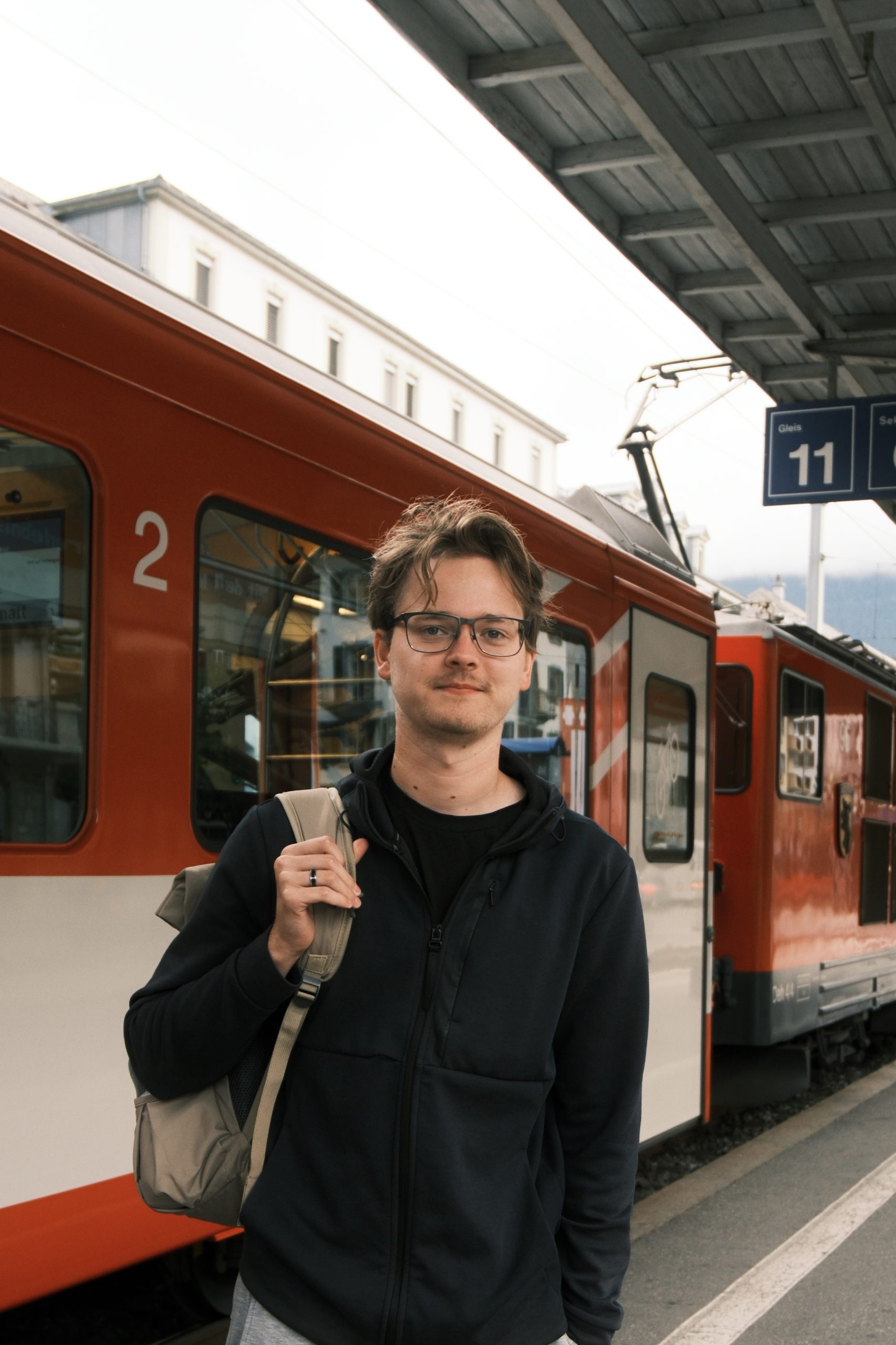
I’ve visited the Jungfrau region several times now, and the more I return, the more I realise that choosing where to stay is not as simple as picking the prettiest place on the map.
The Bernese Oberland is full of places that seem almost unfairly beautiful. Lauterbrunnen has its dramatic valley walls and waterfalls. Grindelwald sits beneath some of the most impressive mountain scenery in Switzerland. Mürren feels like a balcony above the Alps. Thun, where I stayed on my most recent visit, is a beautiful gateway to the mountains with a calmer and more authentic city feel.
And then there is Interlaken.
Interlaken is not necessarily the most charming place in the Jungfrau region. It is not where I would go if I wanted the quietest alpine atmosphere or the most authentic Swiss town experience. But as a practical base for exploring the mountains, it is hard to beat.
That is the real reason Interlaken works so well: not because the town itself is always the highlight, but because it connects you so easily to almost everything around it.
Is Interlaken a good base for the Jungfrau region?
Yes, Interlaken is one of the best bases for exploring the Jungfrau region, especially if this is your first time in the area or if you want to visit several different places without changing hotels every few nights.
The biggest advantage is flexibility.
From Interlaken, you can reach Lauterbrunnen, Grindelwald, Mürren, Wengen, Kleine Scheidegg, Eigergletscher, Grindelwald First, Lake Brienz, Lake Thun, Bern, Basel, and Zurich relatively easily. You are not locking yourself into one valley or one hiking area. Instead, you are staying in a transport hub that gives you options every morning.
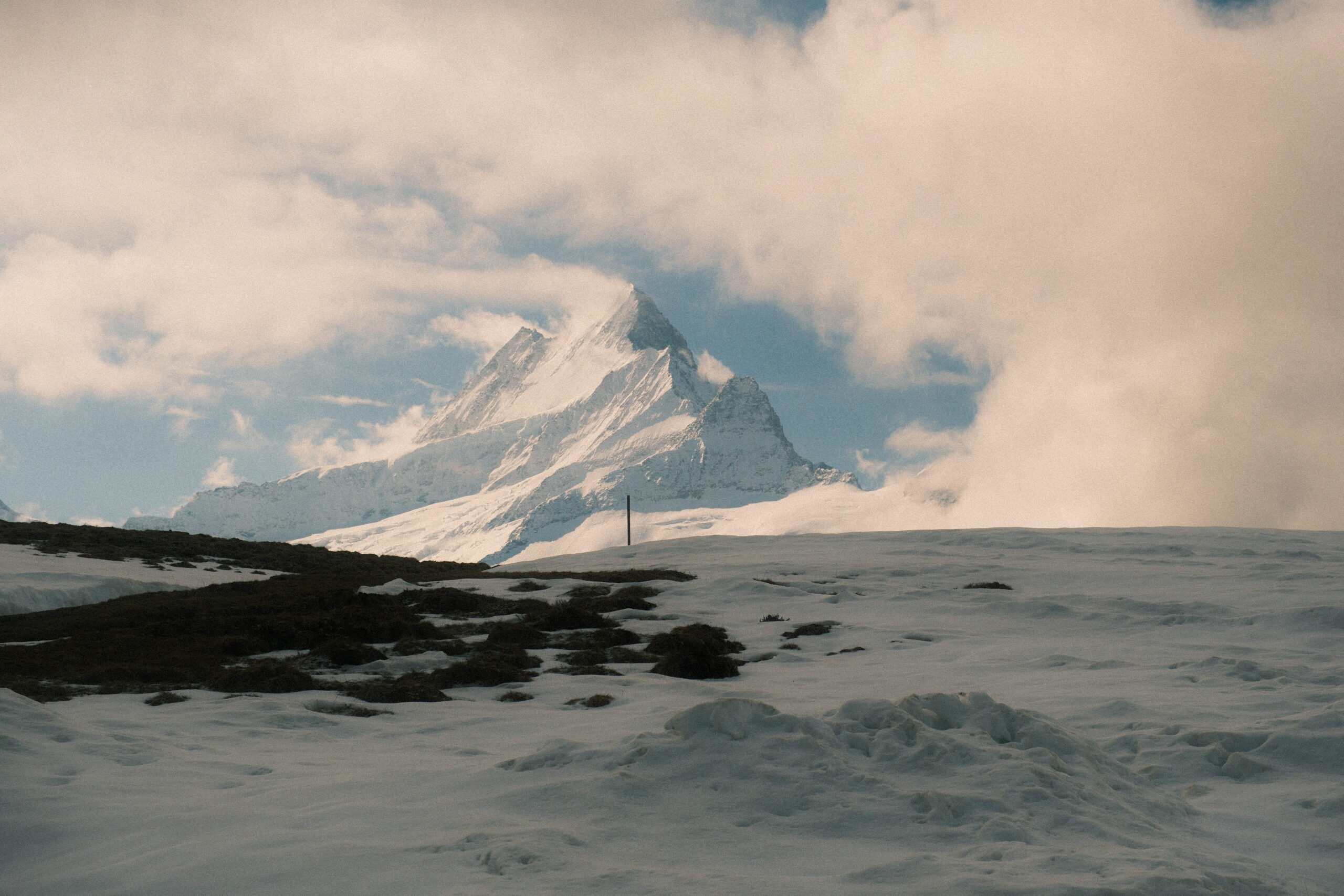
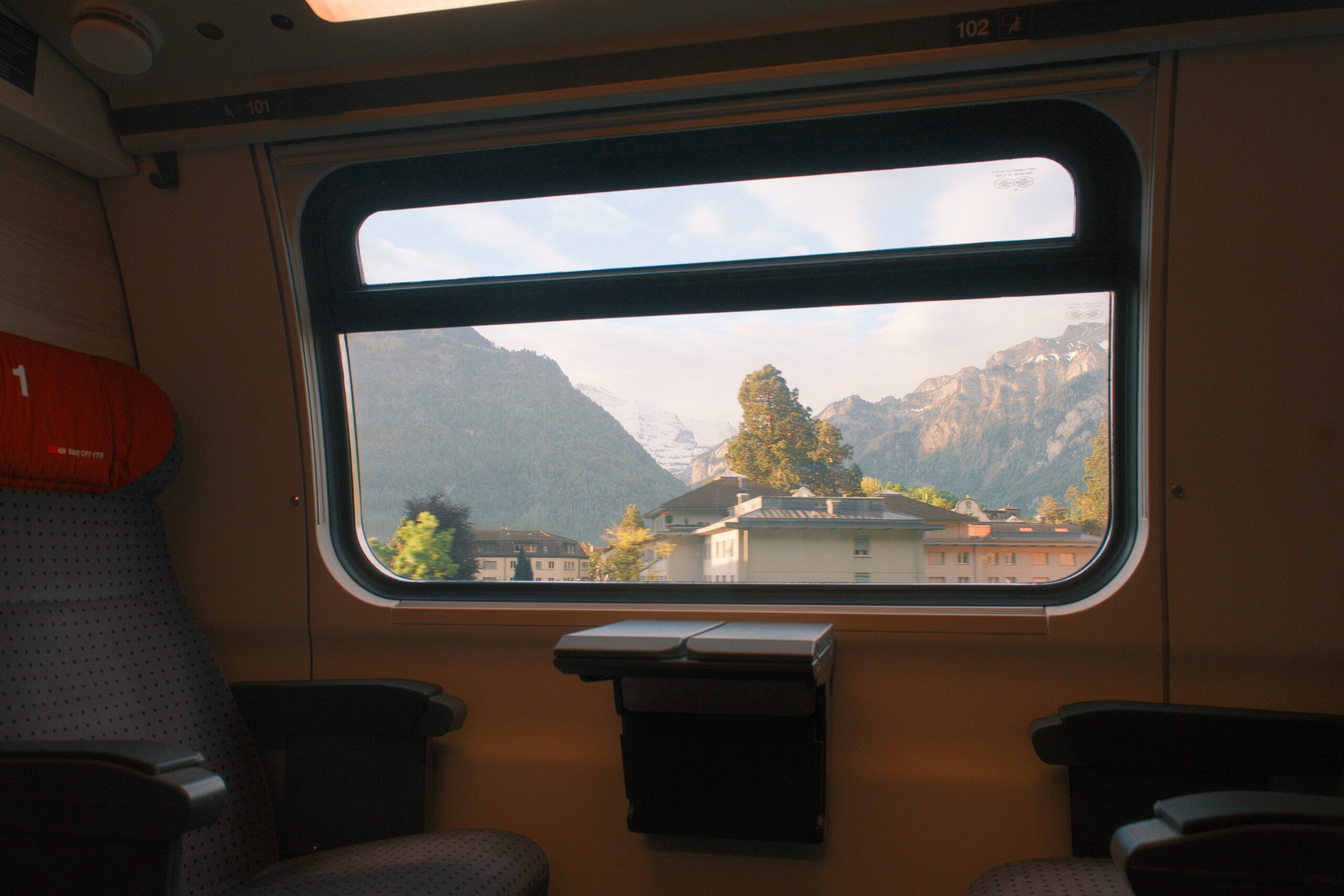
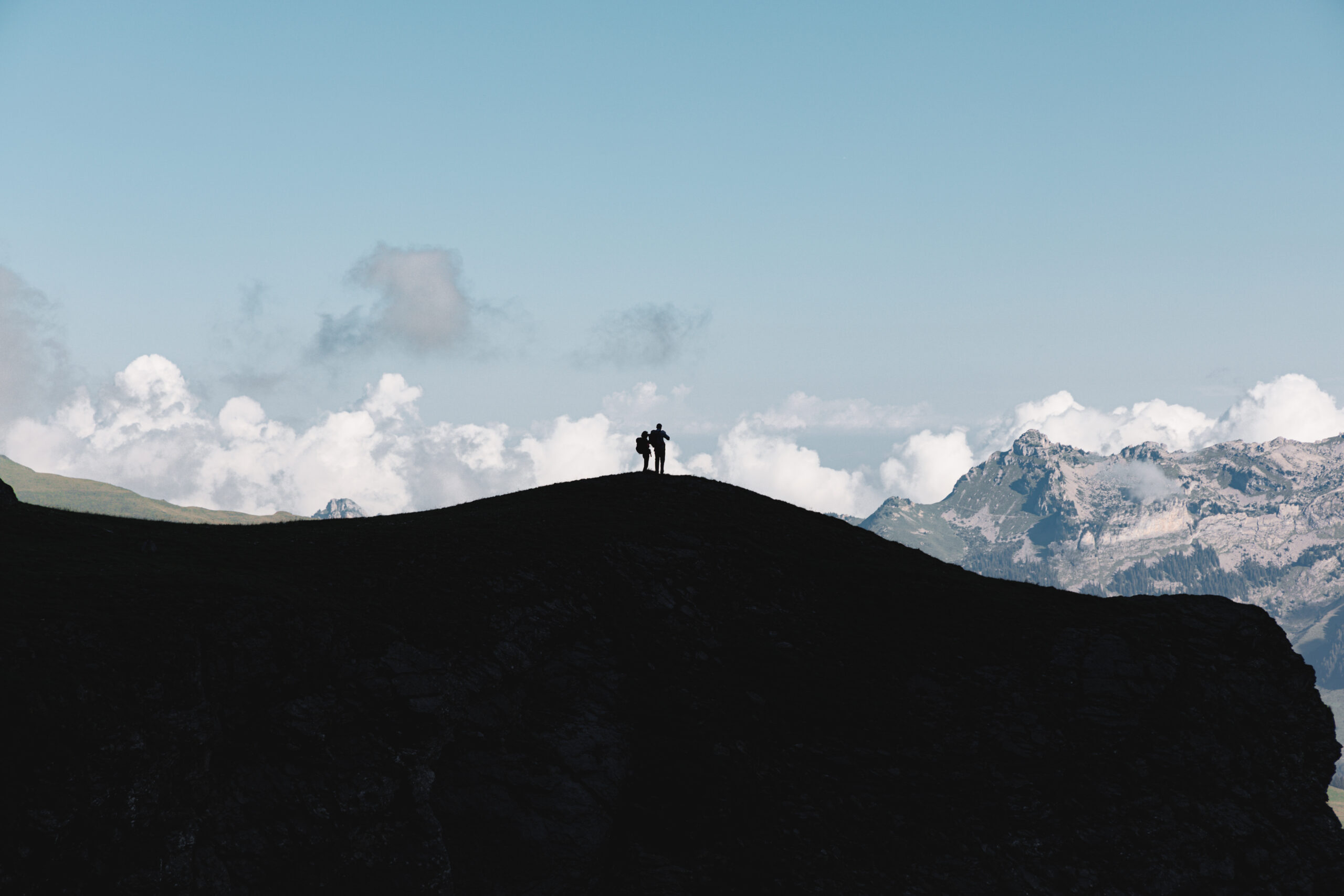
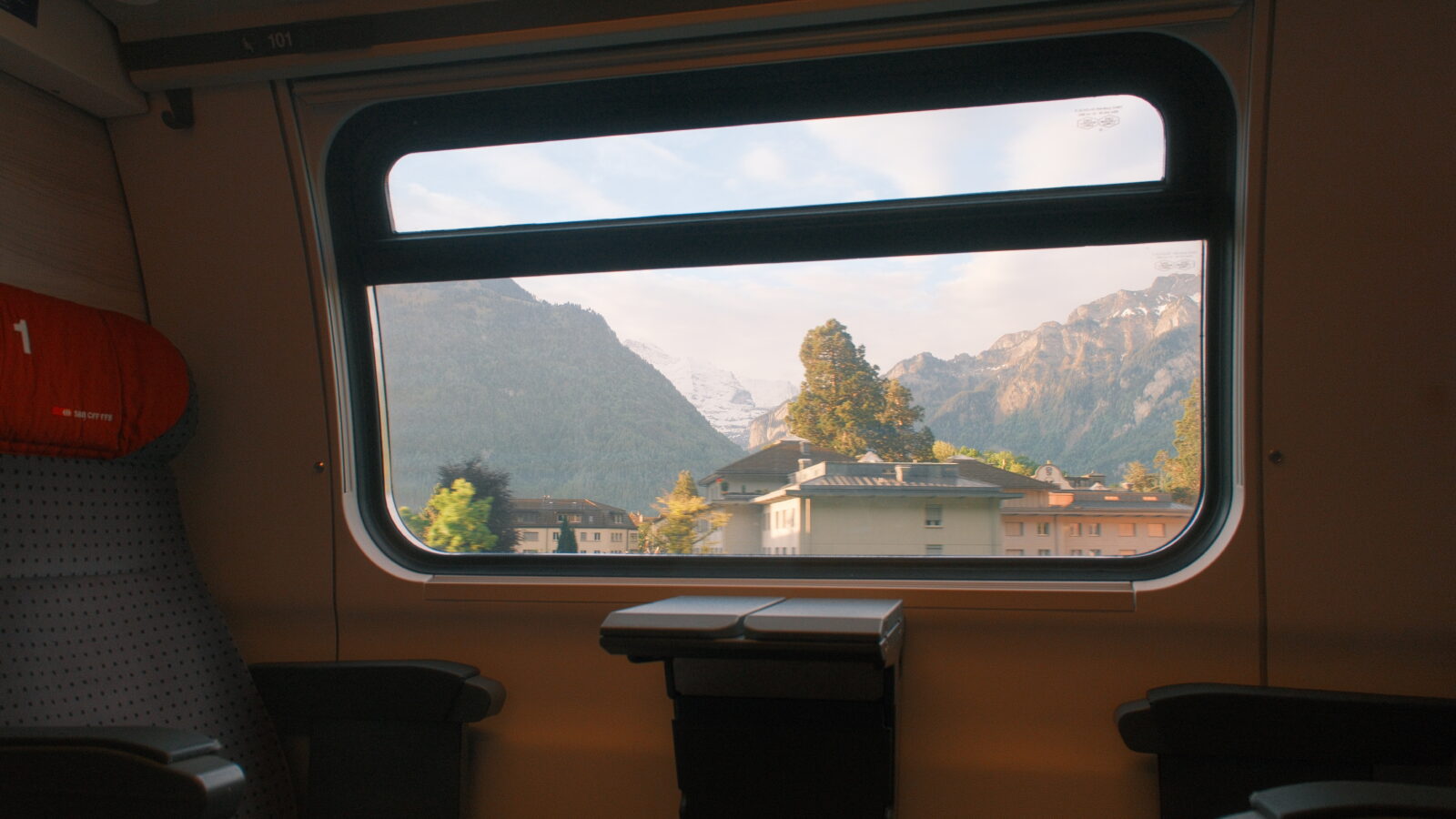
That matters in Switzerland. Weather can change quickly in the mountains. One valley can be cloudy while another looks better. A hike you planned might not make sense on a rainy day. A lake cruise might suddenly become more appealing than another steep climb. Interlaken gives you room to adjust.
For me, that is the strongest argument for staying there. Interlaken is not necessarily the place I would choose for atmosphere, but it is absolutely a place I would consider for convenience.
Interlaken Ost is the real reason Interlaken works
When people talk about staying in Interlaken, I think it is important to separate Interlaken Ost from Interlaken West.
For mountain travel, Interlaken Ost is the station that really matters.
This is where the connections into the Jungfrau region become especially useful. The Bernese Oberland Railway route from Interlaken Ost splits toward Lauterbrunnen and Grindelwald, which makes it the key departure point for many classic mountain days. Jungfrau Region Tourism notes that the train from Interlaken Ost to Lauterbrunnen takes around 20 minutes, and that the train splits at Zweilütschinen, with one part going toward Lauterbrunnen and the other toward Grindelwald.
That detail sounds small, but it captures why Interlaken Ost is so useful. From one station, you can decide whether your day is going to be about waterfalls and Mürren, or about Grindelwald, First, the Eiger, and the higher alpine routes.
I personally think Interlaken Ost is excellent. It is not romantic, but it is practical. And when you are trying to make the most of a trip to the Swiss Alps, practical matters.
Why I prefer Interlaken Ost over Interlaken West
Interlaken West feels more like the “city” side of Interlaken. It has hotels, shops, restaurants, and more of the tourist infrastructure. That can be useful, but it is also the part that I personally find less appealing.
To me, Interlaken West feels crowded and very optimised for tourists. It does not give me the feeling I usually look for in Switzerland. If your goal is to hike, catch trains into the mountains, take photos, and spend as much time as possible in alpine scenery, Interlaken West can feel like a place you pass through rather than a place you deeply connect with.
That does not mean it is bad. For some travellers, especially first-time visitors who want restaurants, shopping, and easy hotel options, it can be convenient. But if I were staying in Interlaken mainly for the mountains, I would personally prioritise being close to Interlaken Ost.
Interlaken Ost is the functional heart of the trip. Interlaken West is more of the tourist-town experience.
Easy access to Lauterbrunnen and Mürren
One of the clearest reasons to stay in Interlaken is the easy access to Lauterbrunnen.
Lauterbrunnen is one of those places that almost does not look real the first time you see it. The valley is narrow and dramatic, with cliffs rising on both sides and waterfalls dropping from the rock walls. It is also the gateway to higher mountain villages like Mürren and Wengen.
From Interlaken Ost, you can take the train directly toward Lauterbrunnen, then continue upward depending on your plan for the day. This makes Interlaken a strong base if you want to explore the Lauterbrunnen valley but do not necessarily want to sleep there every night.
That distinction matters. Lauterbrunnen is more scenic than Interlaken, but it is also more tucked into one valley. Interlaken gives you a broader range of choices.
If you want a day focused on waterfalls, villages, and mountain views, Lauterbrunnen and Mürren are easy choices. If the weather looks better on the Grindelwald side, you can go the other way. That is the strength of Interlaken.
Easy access to Grindelwald, First, and the Eiger
The other major advantage is access to Grindelwald and the Eiger side of the region.
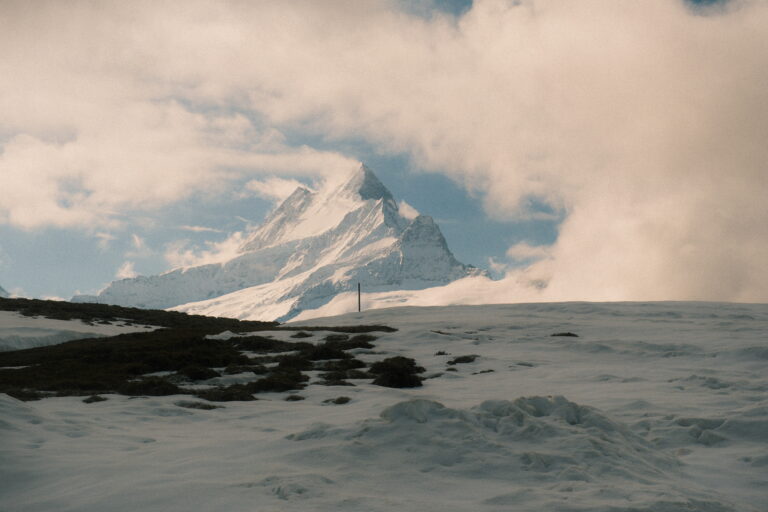
I have twice visited Eigergletscher and hiked down toward Alpiglen and then Grindelwald. It is one of those routes that reminds you why this part of Switzerland is so addictive. You are close to huge mountain faces, railway stations, alpine paths, and classic Bernese Oberland scenery all in one day.
From Interlaken, Grindelwald is straightforward to reach by train, again usually starting from Interlaken Ost. Once you are in Grindelwald, you can connect toward Grindelwald First, Kleine Scheidegg, Eigergletscher, or other mountain routes depending on your plan. Jungfrau’s own travel information highlights the Jungfrau region railways and mountain connections, including routes such as Kleine Scheidegg to Eigergletscher and the Eiger Express connection from Grindelwald Terminal to Eigergletscher.
For hikers, this is where Interlaken becomes very practical. You can wake up, check the weather, choose your side of the region, and move.
That is a different experience from staying in one mountain village. Staying in Grindelwald might feel more alpine. Staying in Mürren might feel more magical. But staying in Interlaken gives you options.
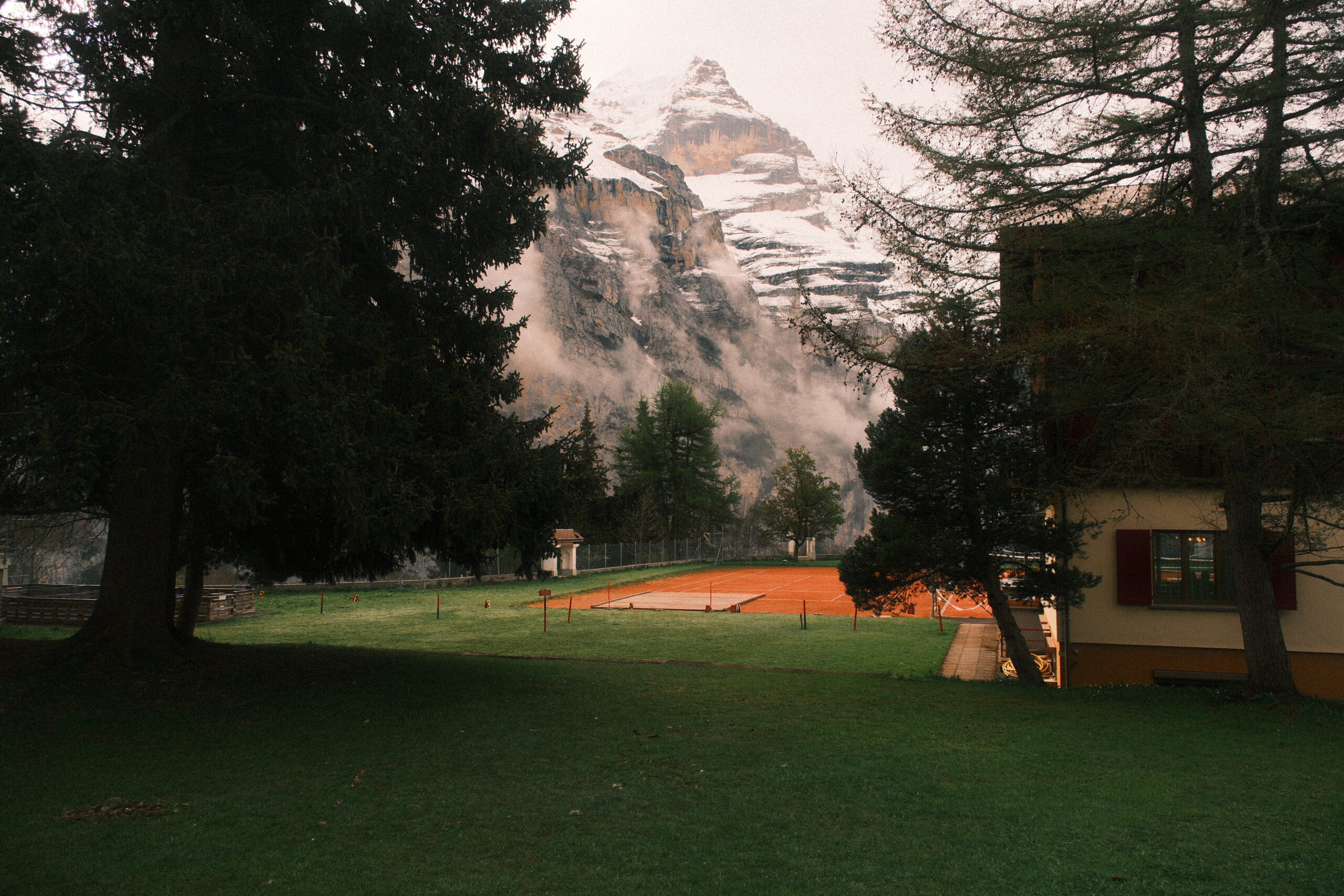
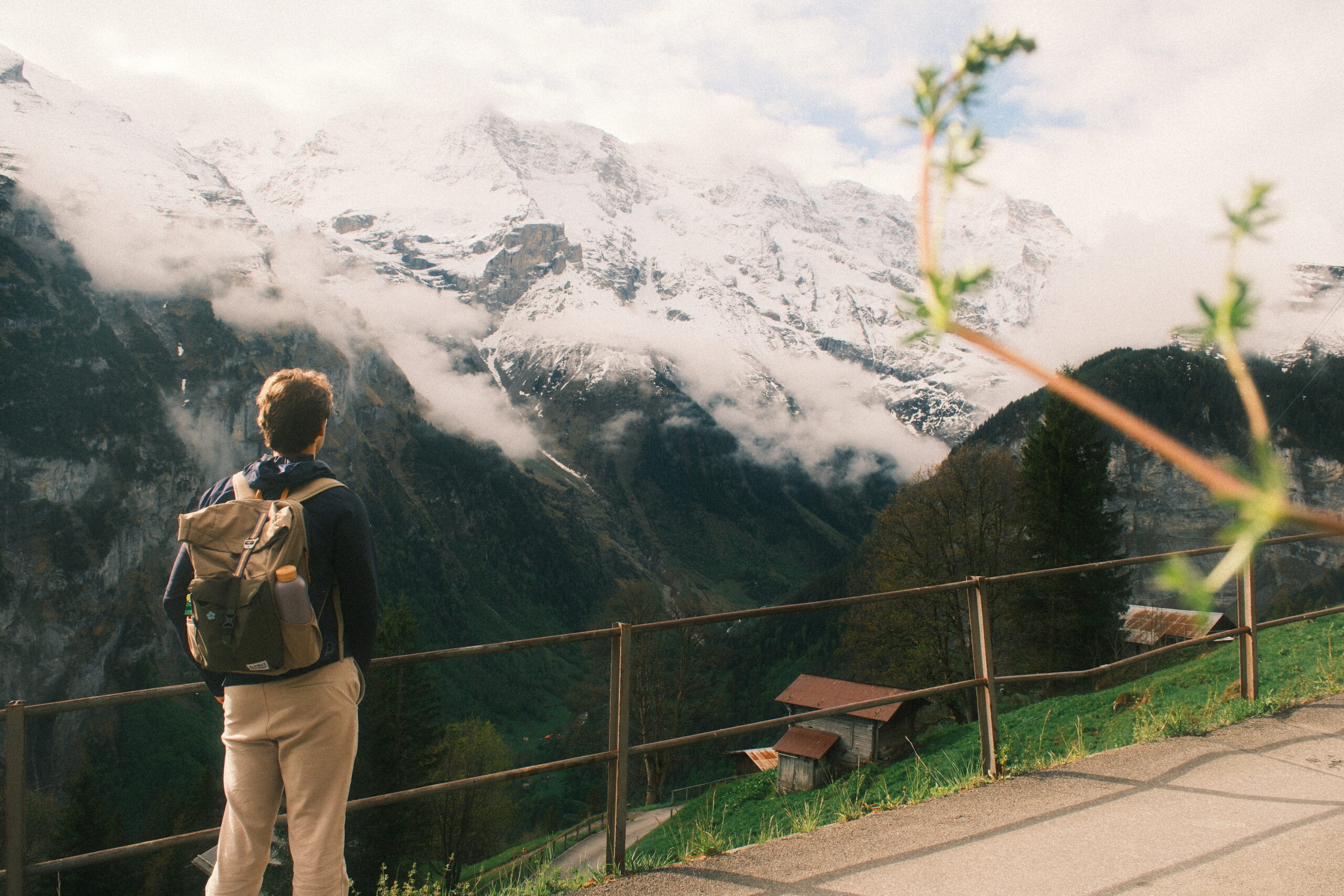
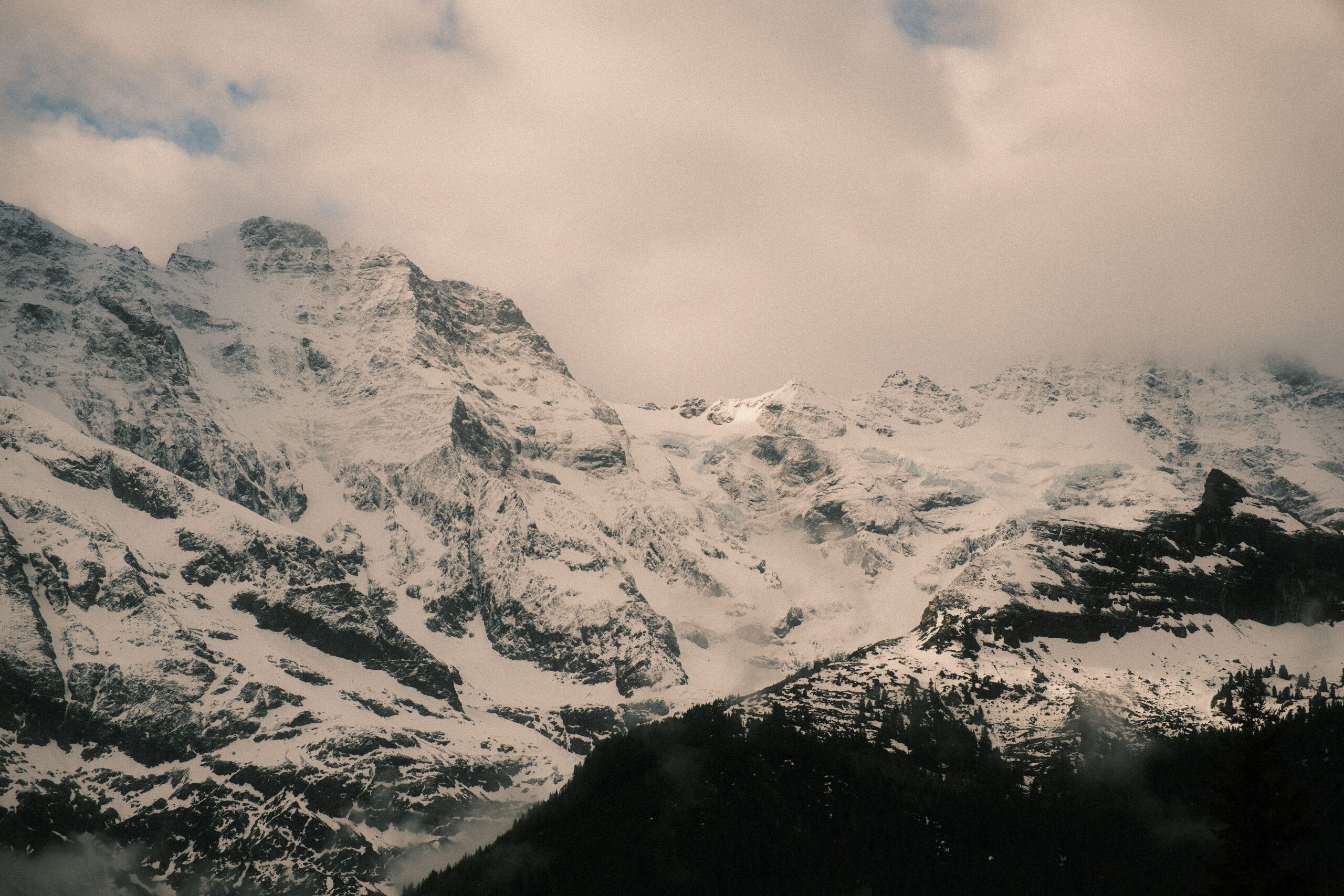
Interlaken is useful beyond the mountains
Another reason Interlaken works well as a base is that it is not only connected to the mountains. It is also positioned between Lake Thun and Lake Brienz.
That gives you more variety. Not every day in Switzerland has to be a big hike. Sometimes a boat tour across Lake Brienz or Lake Thun is exactly what you want, especially after several intense mountain days.
BLS operates lake cruises on both Lake Thun and Lake Brienz, with its Interlaken Lake Cruise fleet serving these lakes in the Bernese Oberland. The official timetable page also separates cruises for Lake Thun and Lake Brienz, which makes it easy to plan a lake day around the season and schedule.
This is one of the things I like about the Interlaken area: you can build a trip with contrast. One day you are hiking beneath the Eiger. Another day you are on a boat crossing turquoise water. Another day you can take a train toward Bern, Basel, or Zurich.
That makes Interlaken especially good if you are travelling as a couple or with people who do not want every day to be a demanding hike.
The downside: Interlaken can feel too touristy
The honest downside is that Interlaken itself does not always feel like the Switzerland people imagine.
Parts of it can feel very crowded, commercial, and built around tourism. That is especially true around the more central areas and Interlaken West. There are plenty of hotels, restaurants, souvenir shops, and tourist services, but that also means it can feel less authentic.
For me, this is the biggest reason not to oversell Interlaken.
If someone asked me, “Is Interlaken the most beautiful place to stay in the Jungfrau region?” I would say no. Lauterbrunnen, Grindelwald, Mürren, Wengen, and even Thun can feel more atmospheric depending on what you are looking for.
But if someone asked me, “Is Interlaken one of the most useful places to stay if I want to explore the whole region?” then yes, absolutely.
That is the difference.
Interlaken is not always the destination. Often, it is the launchpad.
Interlaken vs Thun vs Lauterbrunnen vs Grindelwald
After staying in different places around the region, I do not think there is one perfect base for everyone. It depends on the kind of trip you want.
Stay in Interlaken if you want maximum flexibility
Interlaken is best if you want easy train connections, access to both major valleys, lake cruises, and the option to travel onward to cities like Bern, Basel, or Zurich.
It is especially useful for first-time visitors who want to see a lot without constantly moving accommodation.
Stay in Thun if you want a calmer gateway
On my most recent visit, I stayed in Thun, and I think it works very well as a gateway to the mountains. It feels more like a real city than a tourist machine, and it has a calmer atmosphere than Interlaken.
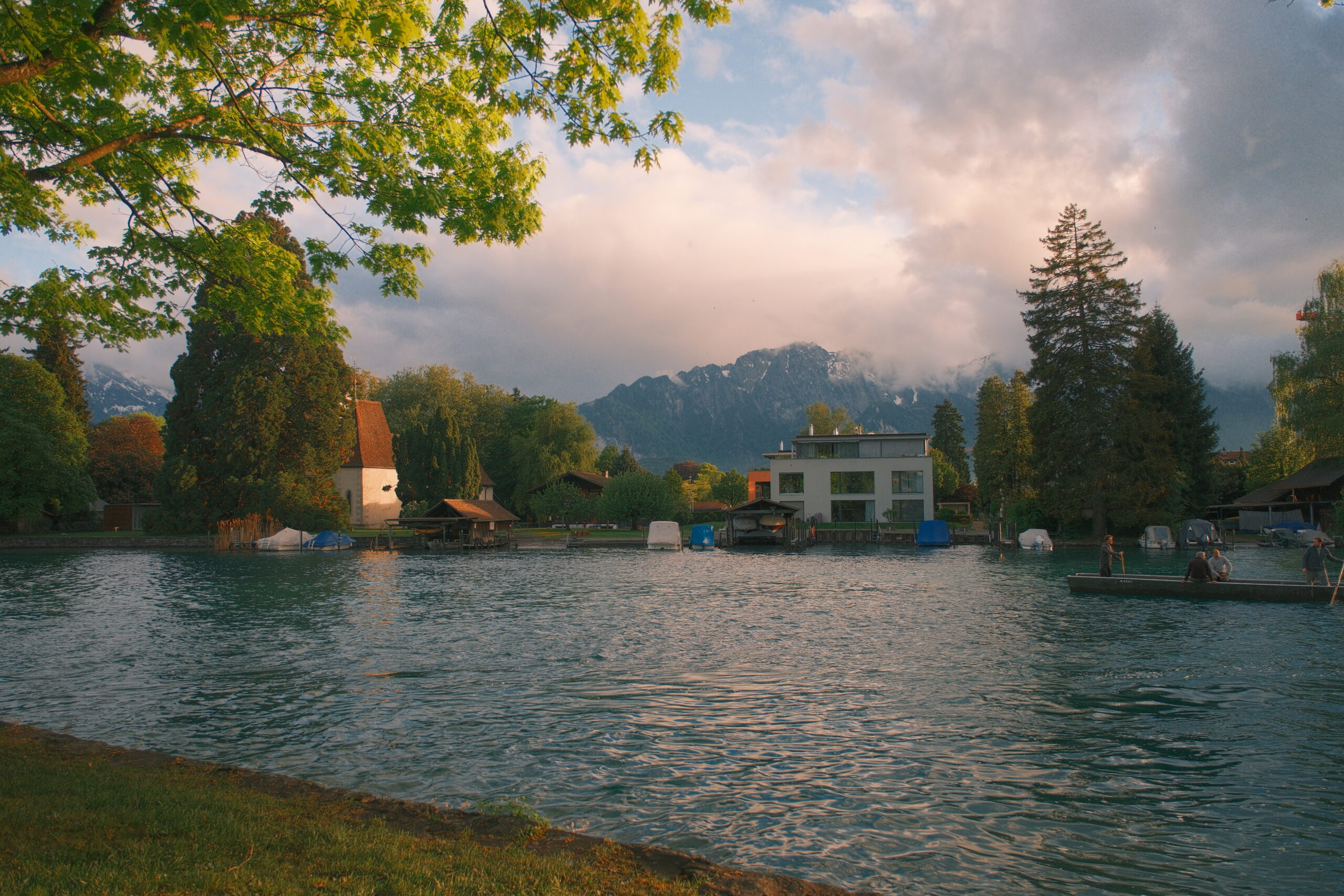
The trade-off is that you are slightly further from the classic Jungfrau mountain routes. But if you want a nicer town experience and still want mountain access, Thun can be a great choice.
Stay in Lauterbrunnen if you want dramatic scenery immediately
Lauterbrunnen is better if you want to wake up inside one of the most iconic valleys in Switzerland.
It is more scenic than Interlaken, but less flexible as a regional hub. You are deeper into one part of the region, which is beautiful, but slightly less convenient for broader exploring.
Stay in Grindelwald if your focus is hiking and the Eiger
Grindelwald makes sense if your trip is mainly about hiking, Grindelwald First, Kleine Scheidegg, Eigergletscher, or Eiger views.
It feels much more alpine than Interlaken. But again, it is more specific. If the Grindelwald side is your priority, stay there. If you want to move between both valleys easily, Interlaken may be simpler.
Who should not stay in Interlaken?
I would not recommend Interlaken as strongly if your main goal is peace, quiet, and atmosphere.
If you want to open your window and immediately feel surrounded by mountains, Lauterbrunnen, Mürren, Wengen, or Grindelwald will probably feel more special. If you want a prettier town with a calmer Swiss feeling, Thun may be more appealing.
Interlaken can feel busy. It can feel international in a way that is convenient but not always charming. It is not the place I would choose if I wanted to disappear into the mountains and avoid crowds.
So the question is not simply: “Is Interlaken worth staying in?”
The better question is: “What do you want your base to do for you?”
If you want beauty at your doorstep, choose a mountain village. If you want connections, flexibility, and easy logistics, Interlaken is excellent.
Final verdict: Interlaken is the best strategic base
For me, Interlaken is not the most authentic or emotional place in the Jungfrau region. I do not think it has the same magic as waking up in a mountain village or walking through a quieter Swiss town like Thun.
But as a strategic base, it is one of the best options.
It connects beautifully to Lauterbrunnen, Grindelwald, Mürren, the Eiger area, Grindelwald First, Lake Brienz, Lake Thun, and the wider Swiss rail network. It gives you flexibility, especially if you are planning multiple day trips and do not want to overcomplicate your route.
I would not stay in Interlaken because it is the most beautiful place in the region.
I would stay there because it makes the rest of the region easier to experience.
And sometimes, especially in the Swiss Alps, that is exactly what you need.