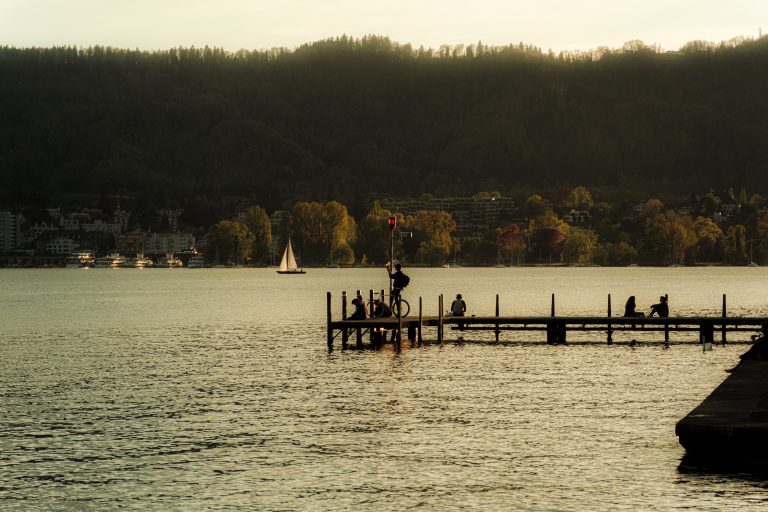
In this guide
Autumn is one of my favourite seasons for using Fujifilm recipes.
The colours already do most of the work for you. Brown leaves, warmer light, darker forests, wooden buildings and changing weather all suit the kind of slightly faded film look I usually want from my Fujifilm cameras.
But I don’t use the same recipe for every autumn scene.
Most of the time, I use Cinematic Gold. It is my default when I want warm golden and brown tones while still keeping people and skin tones looking natural.
When the weather turns grey, rainy or simply feels more cinematic in black and white, I switch to Old Black & White.
Those two recipes cover most of the autumn situations I actually photograph.
My favourite warm recipe: For warm autumn colours, people, markets and golden light, I usually start with my Cinematic Gold Fujifilm recipe. You can find the full settings and example photos in the recipe guide.
Which Fujifilm recipe should you use in autumn?
Here is the quick version.
| Autumn situation | Recipe I would use |
|---|---|
| Golden and brown leaves | Cinematic Gold |
| People in autumn landscapes | Cinematic Gold |
| Autumn fairs and markets | Cinematic Gold |
| Warm villages and old buildings | Cinematic Gold |
| Forests with brown and golden colours | Cinematic Gold |
| Sunny autumn days | Cinematic Gold |
| Golden hour | Cinematic Gold |
| Cloudy days | Old Black & White |
| Rain | Old Black & White |
| Moody street photography | Old Black & White |
| Dark or cinematic scenes | Old Black & White |
| Scenes where colour is distracting | Old Black & White |
If you call it fall rather than autumn, the same approach applies: I choose the recipe based on the colours, weather and atmosphere rather than the month itself.
If I could only save one recipe for autumn photography, it would be Cinematic Gold.
But having a black-and-white option available makes a much bigger difference than having several slightly different warm colour recipes.

1. Cinematic Gold: my favourite Fujifilm recipe for autumn
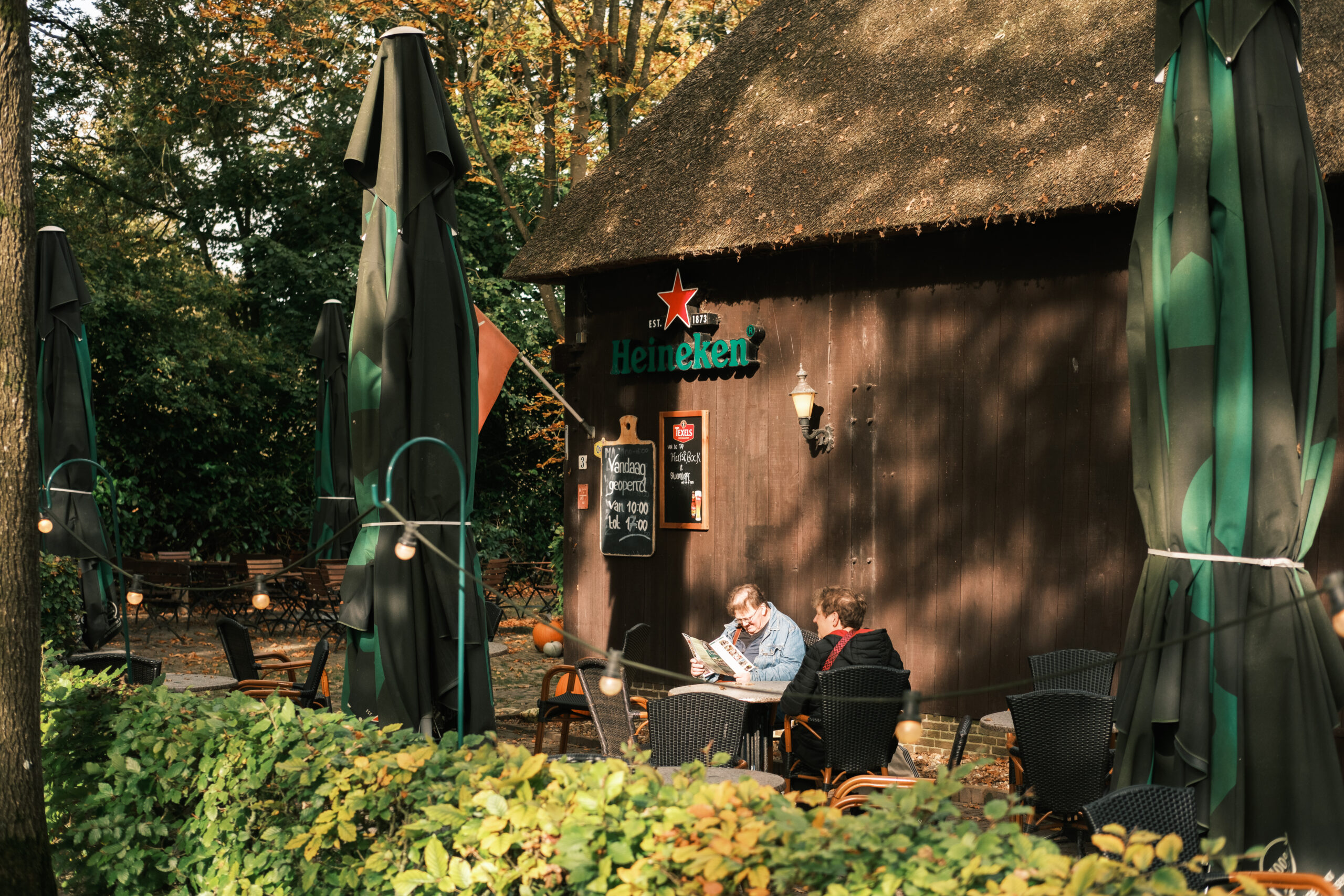
Cinematic Gold isn’t exclusively an autumn recipe.
I use it throughout the year.
I have used the look in places including Amsterdam, Utrecht, Zurich, Lugano and Bergen, and it can work in spring, summer and winter as well.
Autumn is simply one of the situations where I think the recipe makes particularly good use of the colours already present in the scene.
The look is warm and slightly faded rather than intensely orange.
That is important to me.
I don’t want an autumn recipe that turns every yellow leaf orange or makes a person’s skin look unnaturally warm. I prefer the colours to still feel believable, with the recipe adding atmosphere rather than completely changing the scene.
Cinematic Gold gives me that balance.
Why Cinematic Gold works so well with autumn colours
Autumn already contains many of the tones that Cinematic Gold emphasises naturally.
Brown leaves, yellow foliage, wood, warm clothing and low sunlight all work particularly well with the recipe.
Instead of dramatically increasing saturation, I prefer the slightly softer and more faded character.
It makes the colours feel warmer without turning the photograph into an exaggerated version of autumn.
That is particularly useful when several colours appear in the same frame.
You might have brown leaves in the foreground, green foliage that hasn’t changed yet, blue sky in the background and a person standing between all of it.
I still want those colours to feel separate.
The contrast between a cooler blue sky and the warmer autumn landscape can actually be one of my favourite parts of the image.
Cinematic Gold with people
This is also one of the main reasons I prefer Cinematic Gold over a recipe designed purely around foliage.
I often have people in my photographs.
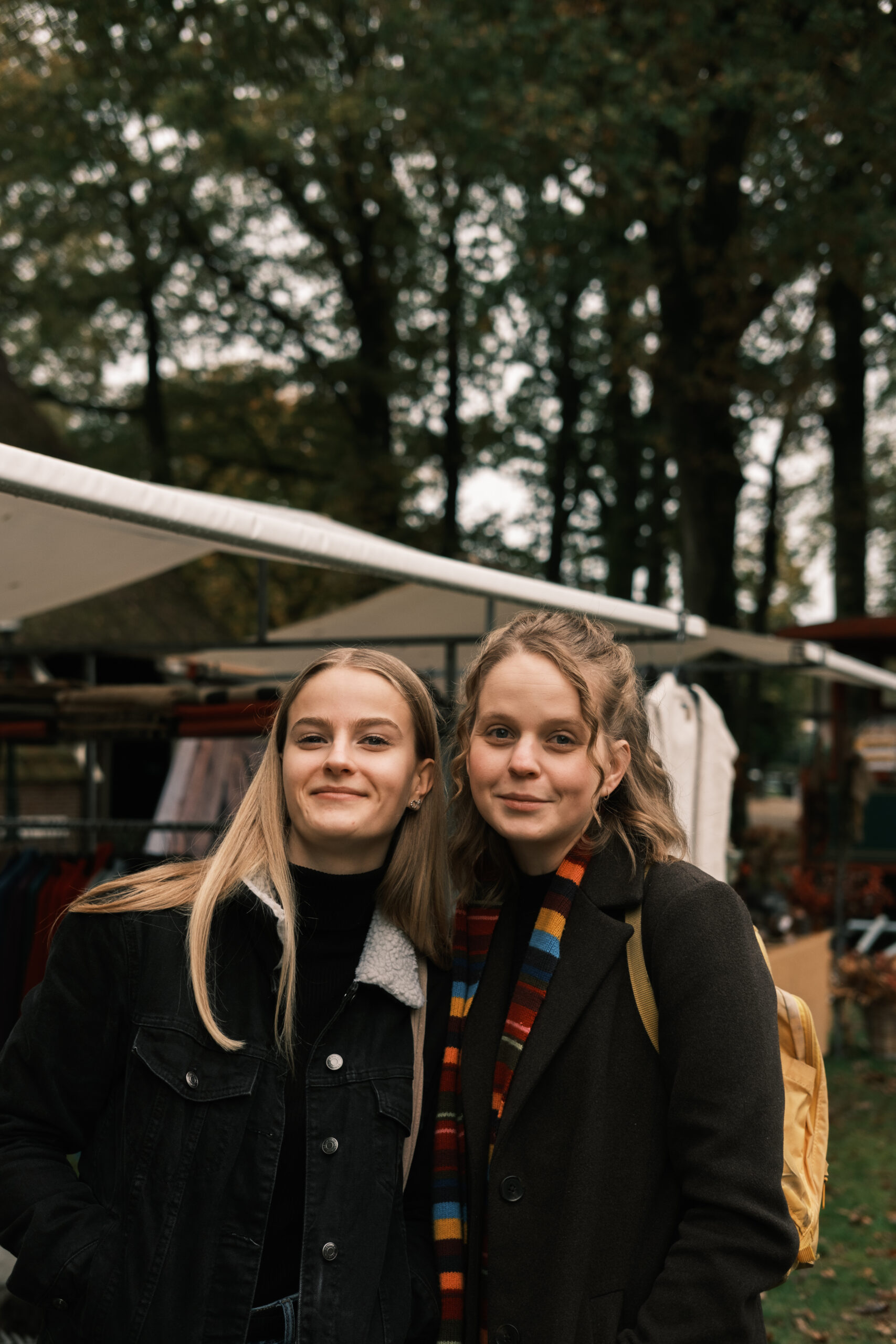
That could be someone walking through a forest, standing in a landscape, browsing a market or simply becoming part of a wider travel scene.
A recipe can make orange and yellow leaves look spectacular but become much less useful if every face suddenly looks orange as well.
For me, an autumn recipe has to work with both the environment and the people inside it.
That makes Cinematic Gold much more useful as an everyday autumn recipe rather than something I would only select for landscapes.
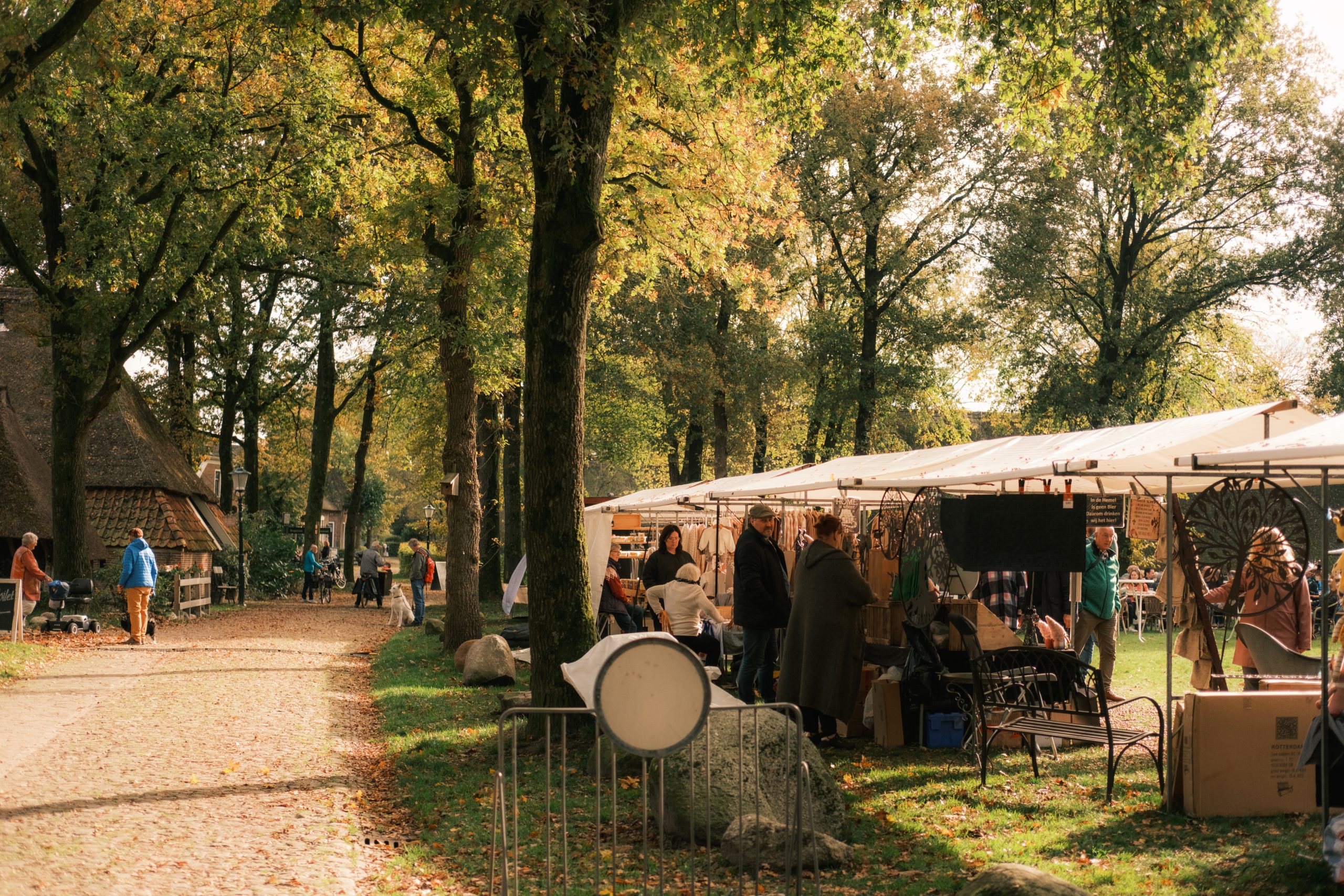
Using Cinematic Gold at an autumn fair
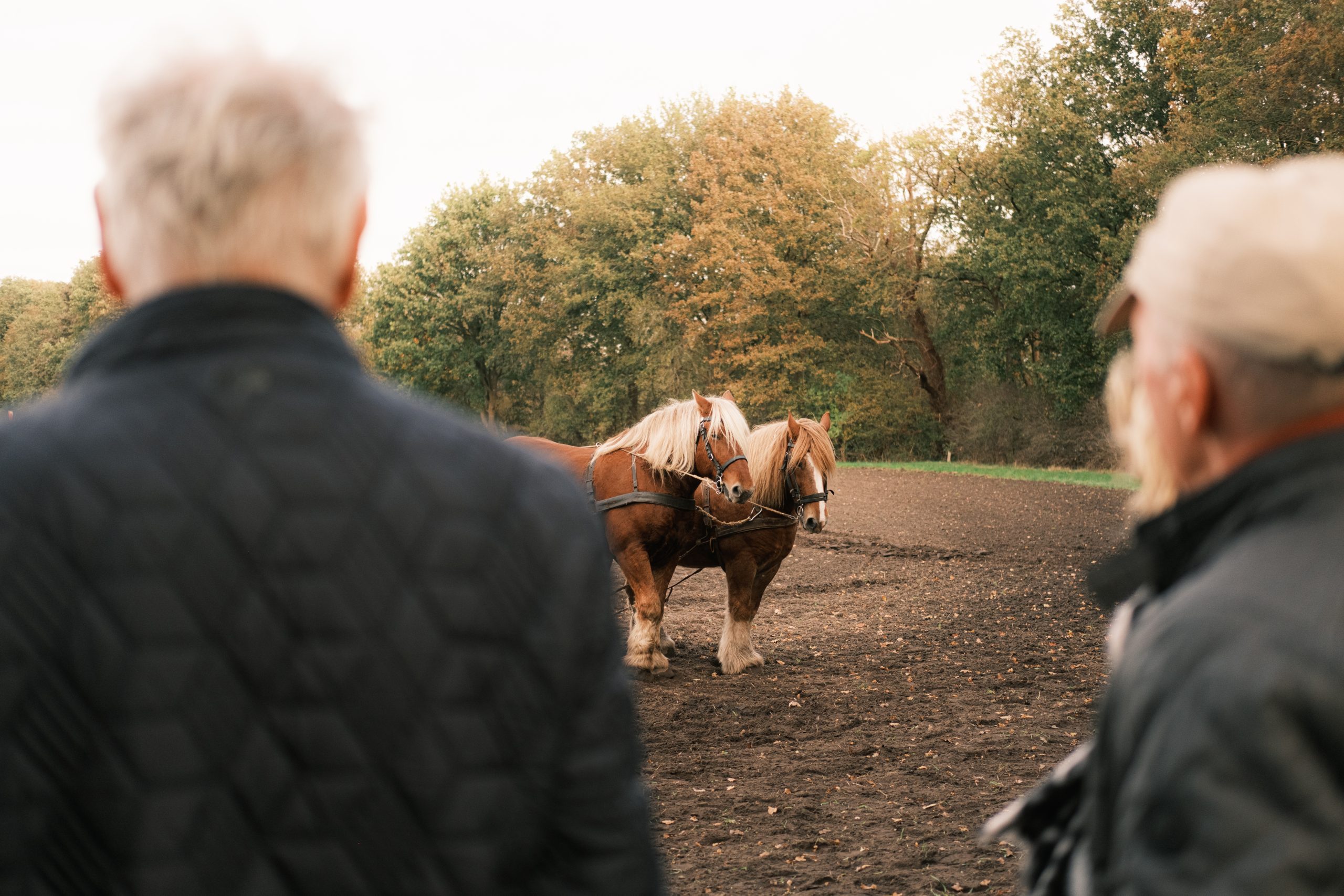
One of my favourite examples was an autumn fair in a small village in Drenthe in the Netherlands.
I used Cinematic Gold throughout the fair.
The scenes included people, animals and market stalls, surrounded by the colours and textures you would expect from an autumn event.
This is exactly the type of situation where I like having one recipe that I can leave selected rather than constantly changing settings.
There were different subjects everywhere.
One moment I might photograph a person at a stall, then an animal, then a wider scene containing autumn colours and people together.
Cinematic Gold worked as an all-round look for the day.
And that is ultimately more useful to me than having an extremely specialised recipe that only works when the light and subject are perfect.
Cinematic Gold in forests
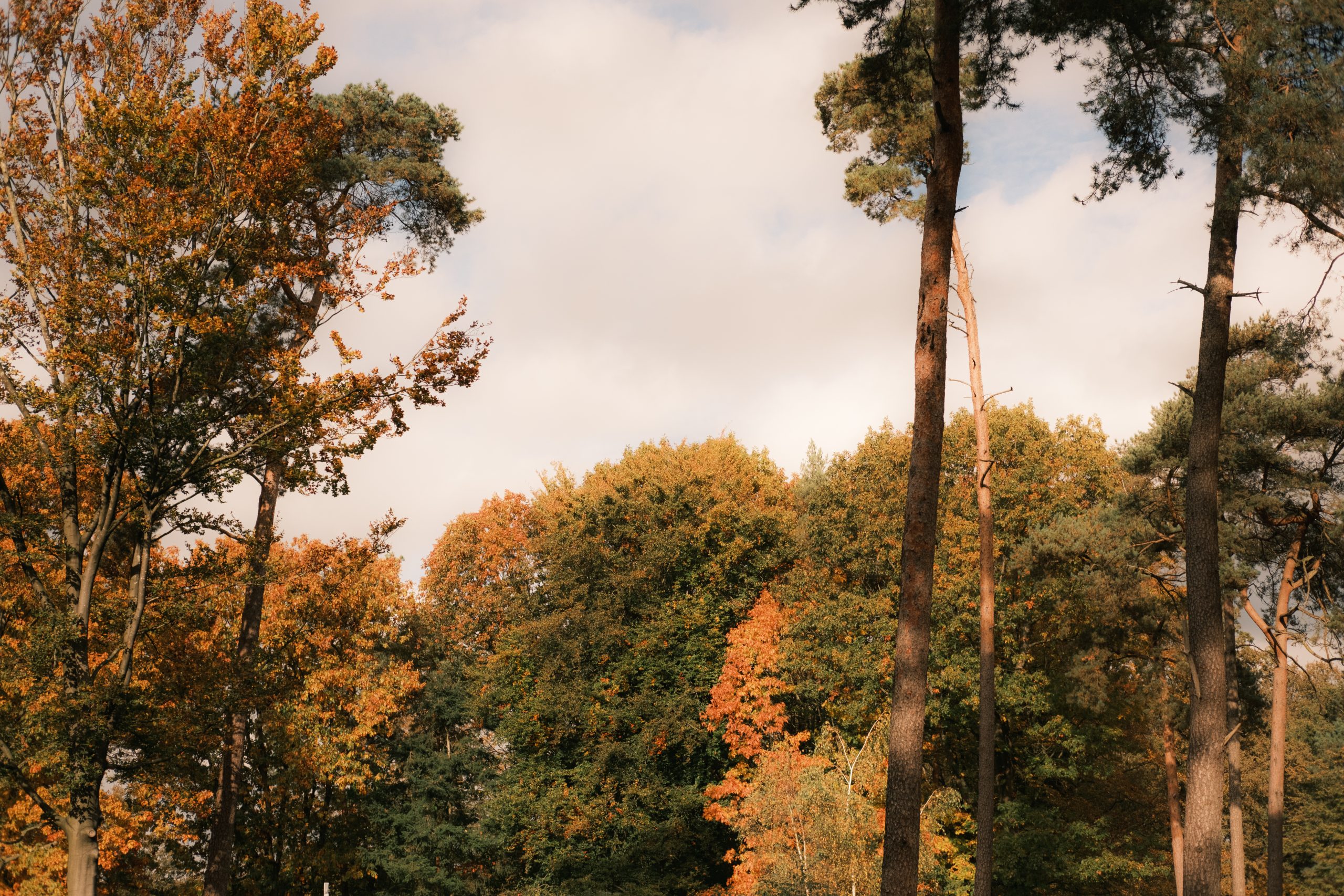
Forests are another obvious place to use it.
I particularly like it once the landscape starts becoming a mixture of green, yellow and brown rather than being completely green.
The faded character helps soften the scene, while the warmer palette suits fallen leaves, tree trunks and late-season vegetation.
It can also work particularly well with someone walking through the landscape.
That is the kind of autumn photograph I am usually more interested in than a technically perfect photograph of foliage by itself.
I want the scene to feel like a moment.
Cinematic Gold on sunny autumn days
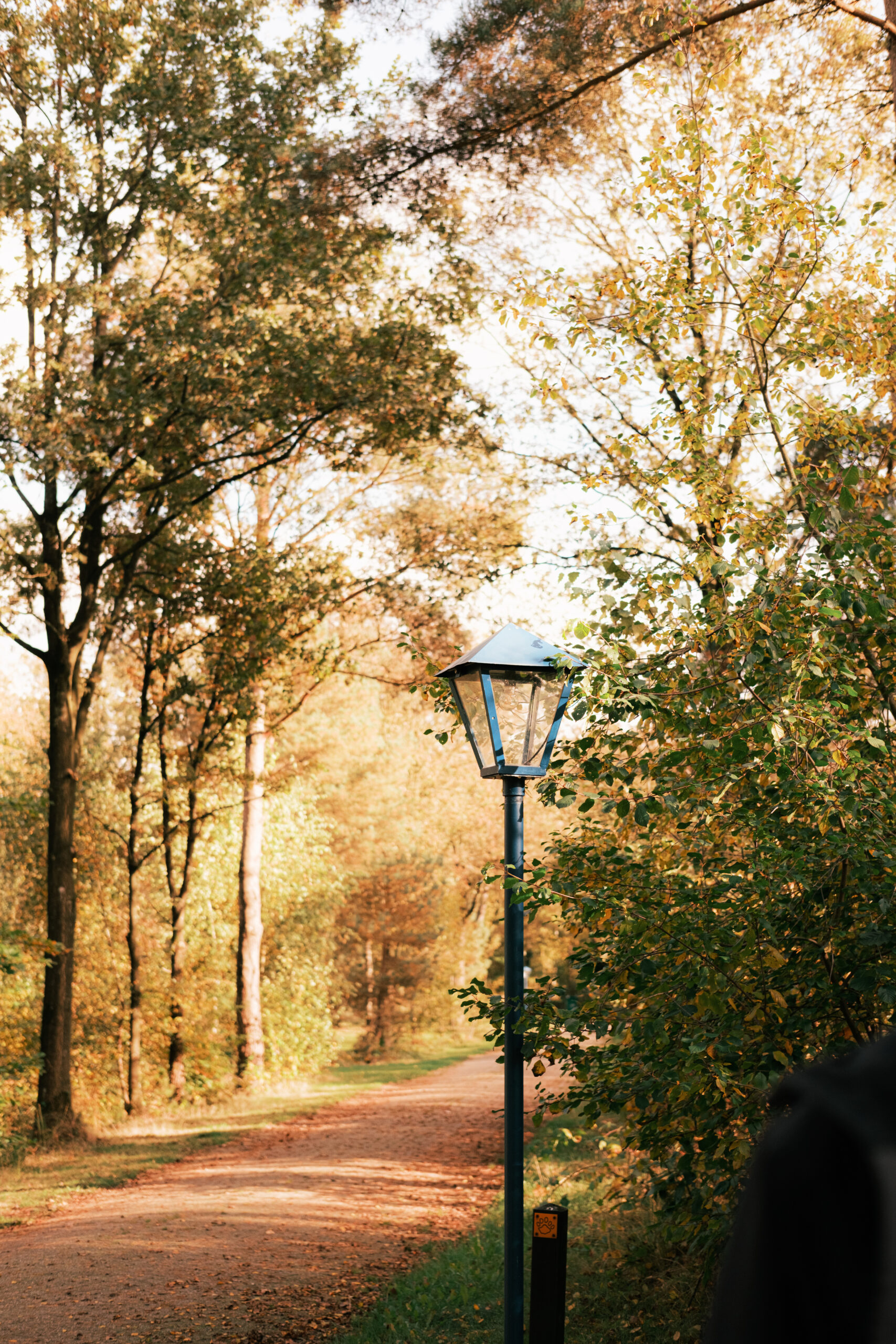
Sunny autumn days are probably the easiest conditions for this recipe.
Especially when the sun is lower, the existing warmth in the light works naturally with Cinematic Gold.
I would use it for:
- parks;
- forests;
- village streets;
- markets;
- people outdoors;
- travel photography;
- autumn landscapes;
- late-afternoon walks;
- golden hour.
You do have to pay attention when the light becomes very harsh.
Cinematic Gold already introduces warmth, so an extremely warm scene doesn’t always need even more of it.
That is one reason I don’t think of any Fujifilm recipe as a setting I should use blindly.
The scene still matters.
Get the full settings: Want to try the look yourself? My complete Cinematic Gold settings guide includes the recipe itself, example images and the situations where I use it most.
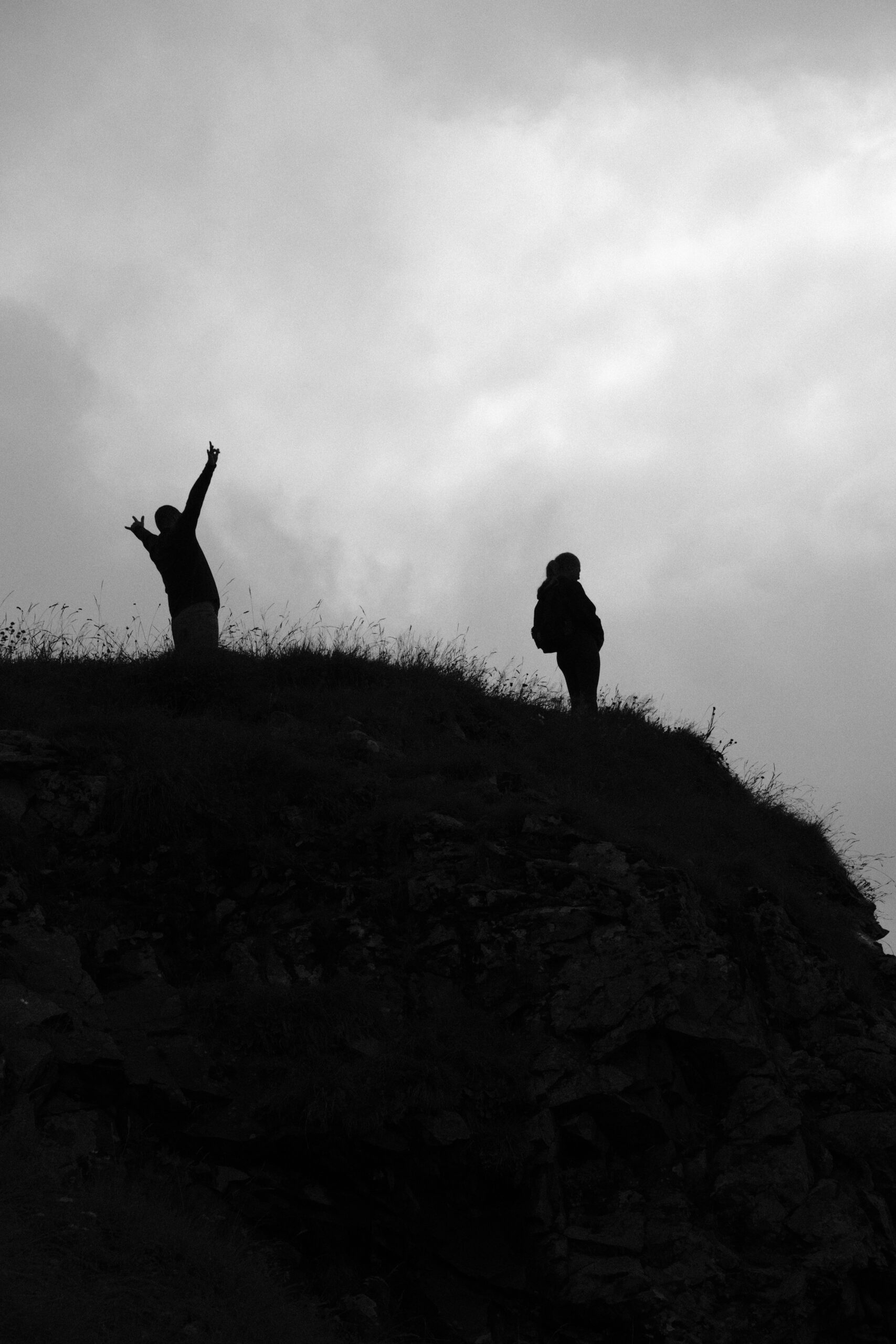
2. Old Black & White for rainy and cloudy autumn days
Autumn isn’t always golden leaves and warm evening light.
Sometimes it rains.
Sometimes the sky is completely grey.
And sometimes a scene simply looks better without colour.
That is when I like using Old Black & White.
I don’t see black and white as a backup option for when the weather is bad. Poor weather can actually give you some of the most cinematic conditions of the season.
Rain gives streets reflections.
Clouds soften the light.
Wet surfaces become darker.
People start wearing coats and carrying umbrellas.
Forests can become much moodier.
Those are situations where removing colour can make me concentrate much more on shapes, contrast, people and atmosphere.
When I switch from Cinematic Gold to black and white
There isn’t a strict weather rule.
I wouldn’t automatically switch to black and white as soon as I see a cloud.
It is more about how the scene feels.
If the brown and golden colours are still an important part of the photograph, I will probably stay with Cinematic Gold.
But if the weather becomes darker, rainy or heavily overcast — or the situation simply feels cinematic — Old Black & White becomes much more appealing.
A grey day that looks disappointing in colour can suddenly make sense in monochrome.
My main autumn use cases for it are:
- rain;
- heavily overcast weather;
- moody forests;
- wet streets;
- street photography;
- people in poor weather;
- architecture;
- scenes with strong shapes or contrast;
- moments where colour distracts from the atmosphere.
Try autumn in monochrome: Grey skies and rain don’t have to ruin an autumn photo walk. My Old Black & White Fujifilm recipe is the look I reach for when the scene feels better in monochrome.
Black and white works especially well when autumn becomes messy
One interesting part of autumn photography is that the season isn’t always visually perfect.
By later in the season, trees can be bare.
Leaves become wet and brown.
The sky might be white rather than dramatic.
Streets can look dark.
That isn’t necessarily something I want to fight with a colourful recipe.
Sometimes I would rather lean into it.
Black and white lets the photograph become about weather, texture, light and composition rather than trying to make a grey afternoon look golden.
That makes Old Black & White almost the opposite of Cinematic Gold.
And that is exactly why I like having both.
What about Mountain Reality?
I also use Mountain Reality for mountains, lakes, alpine villages and natural landscapes.
It is less golden and dreamy than Cinematic Gold and is intended to keep outdoor scenes more grounded.
That sounds useful for autumn mountain landscapes, particularly with mixed weather, wooden buildings and natural colours.
There is one important caveat:
I haven’t specifically tested Mountain Reality as an autumn recipe yet.
So I wouldn’t currently rank it alongside Cinematic Gold and Old Black & White as one of my tested autumn choices.
Once I have used it properly in autumn conditions, I will update this guide based on the actual results rather than assuming that it works.
Warm colour or black and white?
If you’re unsure which one to choose, I would make the decision based on what attracted you to the scene.
Choose Cinematic Gold if the colour is part of the photograph.
Think:
brown leaves, warm light, wooden stalls, clothes, blue skies, autumn landscapes and people surrounded by seasonal colour.
Choose Old Black & White if the atmosphere matters more than the colour.
Think:
rain, fog, dark streets, dramatic people, umbrellas, shadows, wet surfaces and overcast forests.
That simple distinction covers most of what I photograph during autumn.
What about skin tones?
This is something I think is easy to overlook when choosing seasonal Fujifilm recipes.
A recipe can be excellent at rendering trees and terrible once someone walks into the frame.
For my photography, that isn’t very useful.
People are regularly part of my travel and seasonal photographs, even when they aren’t technically portraits.
That is one reason Cinematic Gold is my preferred colour option.
I want some warmth, but I don’t want the entire photograph pushed so far towards orange that skin becomes unnatural.
It also means I can walk through a market, village or forest without changing the recipe every time my subject changes from foliage to a person.
Do you need a dedicated Fujifilm autumn recipe?
Not necessarily.
Cinematic Gold wasn’t created to work only during autumn, and that is actually one of the reasons I like it.
A good recipe doesn’t suddenly become useless when the calendar changes.
Light, colour and subject matter are more important.
I have used Cinematic Gold in different cities and seasons, and I would happily continue using it outside autumn.
What changes during autumn is that the environment naturally gives the recipe more of the colours it handles particularly well.
That makes autumn an excellent use case for it rather than its only purpose.
My simple autumn Fujifilm setup
I don’t want to spend an autumn photo walk constantly looking through recipe settings.
My approach is much simpler.
I would start with:
Cinematic Gold as my main colour recipe.
Then keep:
Old Black & White available when the weather or scene becomes more cinematic.
That gives me one warm, faded colour look and one monochrome alternative.
Between those two, I can photograph people, forests, fairs, markets, animals, villages, street scenes, sunshine, clouds and rain without needing a different recipe for every photograph.
For me, that is far more practical.
Are these recipes compatible with every Fujifilm camera?
I would not claim that these settings work identically on every Fujifilm X-Trans camera.
Different Fujifilm generations have different JPEG options and film simulation features.
For Cinematic Gold, I have personally confirmed the recipe on the Fujifilm X-E5, X-H2 and X-T50.
Rendering can still vary slightly between cameras and conditions, but those are models I know the recipe can be used on.
For other cameras, check the settings required by the individual recipe and compare them with the JPEG options available on your camera.
My favourite Fujifilm recipe for autumn
If I had to choose one, it would be Cinematic Gold.
It isn’t the most extreme autumn look, and that is exactly why I like it.
The golden and brown colours become warmer without turning every scene orange. The faded character suits the season, blue skies can provide contrast, and I can still photograph people without wanting to switch to a completely different look.
Then, when autumn becomes darker, wetter or more cinematic, I have Old Black & White ready.
I don’t think you need ten recipes to photograph one season.
You need a few looks that you know well enough to recognise when they fit the scene.
For me, these are the ones I actually use.
More Fujifilm recipes: I also use Fujifilm recipes extensively while travelling. See the Fujifilm recipes I use for travel to compare some of the looks I use for cities, mountains and landscapes.
Frequently asked questions